Goat farming has become one of the most promising agricultural investment opportunities in India. As consumer demand for quality meat, milk, and organic farming practices continues to grow, investors are looking for businesses that offer long-term stability and sustainable returns. Ethical goat farming is emerging as an ideal choice because it combines responsible animal care, modern farm management, and environmentally friendly practices.
For individuals exploring Goat farming in India, ethical farming offers more than just financial rewards. It promotes healthier livestock, better product quality, and stronger consumer trust while ensuring the welfare of animals and the environment. This balanced approach creates a sustainable business model that benefits investors, farmers, and communities alike.
What Is Ethical Goat Farming?
Table of Contents
ToggleEthical goat farming focuses on raising goats in a humane and responsible manner. It involves providing nutritious feed, clean drinking water, proper shelter, regular veterinary care, and stress-free living conditions. Ethical farms also follow environmentally friendly practices that minimize waste and conserve natural resources.
Unlike traditional farming methods that prioritize production alone, ethical farming ensures that animal welfare remains at the center of every farming decision. As a result, healthier animals produce higher-quality products and contribute to a more sustainable farming ecosystem.
Why Ethical Goat Farming Is a Smart Investment
Ethical goat farming offers investors a reliable and future-ready business opportunity. As awareness about sustainable agriculture grows, consumers increasingly prefer products from farms that follow responsible practices. This rising demand creates better market opportunities and long-term profitability.
Modern farm management, scientific breeding techniques, and proper healthcare further improve productivity, making ethical goat farming an attractive investment option.
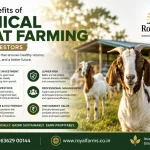
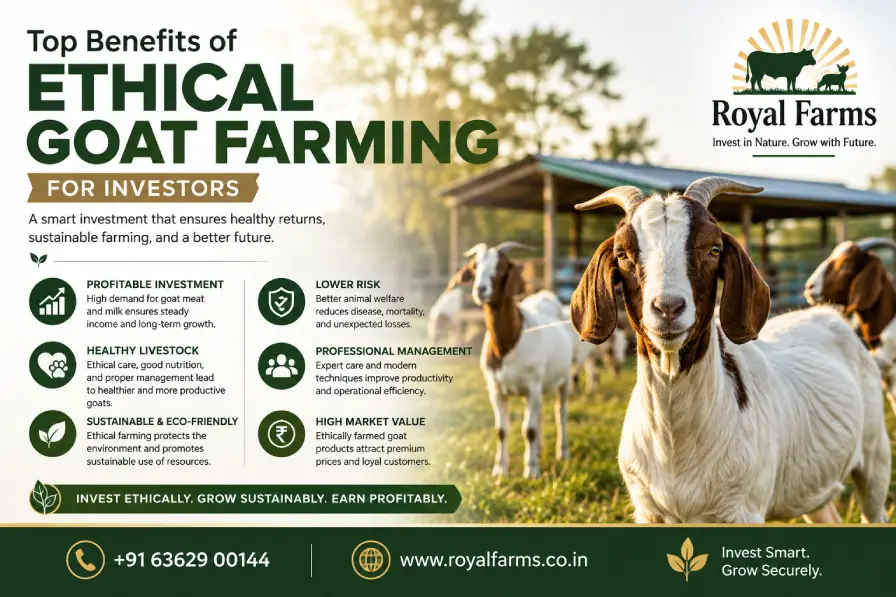
Top Benefits of Ethical Goat Farming for Investors
1. Sustainable Long-Term Returns
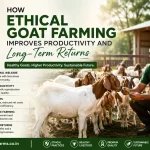
Ethical farming focuses on maintaining the health and productivity of livestock over the long term. Healthy goats require fewer medical interventions, have better reproductive performance, and produce higher-quality products. These factors contribute to consistent financial returns while reducing unexpected operational costs.
2. Better Livestock Health
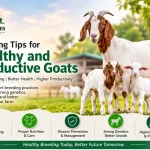
Healthy animals are the foundation of every successful livestock business. Ethical farming ensures balanced nutrition, clean living conditions, timely vaccinations, and preventive healthcare. These practices reduce disease outbreaks and improve the overall productivity of the farm.
Healthy livestock also enhances investor confidence by minimizing business risks associated with poor animal welfare.
3. Growing Consumer Demand
Consumers today are becoming more conscious about how food products are produced. They increasingly prefer meat and dairy products sourced from farms that follow ethical and sustainable farming practices.
This growing preference creates premium market opportunities and helps ethical farms establish a strong reputation among buyers.
4. Environmentally Responsible Farming
Ethical goat farming encourages sustainable land use, proper waste management, and responsible resource utilization. These environmentally friendly practices help preserve soil fertility, reduce pollution, and support biodiversity.
Investors who support sustainable agriculture contribute to environmental conservation while building a future-focused investment portfolio.
5. Professional Farm Management
One of the biggest advantages of managed goat farms is the involvement of experienced professionals. Farm experts oversee breeding programs, nutrition planning, healthcare management, and daily operations.
Professional management improves operational efficiency and allows investors to benefit from agricultural expertise without requiring direct farming experience.
6. Lower Business Risk
Ethical farming reduces operational risks by maintaining healthier animals and following structured management practices. Regular health monitoring, disease prevention, and proper hygiene significantly reduce livestock mortality and production losses.
Lower risks create greater financial stability for investors over the long term.
7. Higher Product Quality
Goats raised under ethical conditions generally produce better-quality meat and milk. Improved nutrition, reduced stress, and proper healthcare positively influence product quality, allowing farms to meet premium market standards.
High-quality products also strengthen customer loyalty and create better pricing opportunities.
8. Supports Rural Development
Ethical goat farming contributes to employment generation in rural communities. Farms require skilled workers for animal care, feeding, veterinary support, and farm maintenance.
As investments grow, local economies benefit through increased employment, improved infrastructure, and enhanced agricultural development.
9. Rising Market Opportunities
India’s livestock sector continues to expand due to increasing domestic demand and export potential. Ethical farming positions businesses to meet evolving consumer expectations and regulatory standards.
The growing popularity of sustainable agriculture creates new opportunities for long-term business growth and investment diversification.
10. Positive Social Impact
Investors today increasingly seek opportunities that generate both financial returns and positive social impact. Ethical goat farming supports responsible agriculture, animal welfare, environmental sustainability, and community development.
This combination of profitability and purpose makes ethical farming an attractive investment for socially conscious investors.
The Future of Ethical Goat Farming
The future of agriculture is shifting toward sustainable and transparent farming practices. Advances in technology, veterinary science, and farm management are making ethical farming more efficient than ever before.
Digital monitoring systems, scientific breeding programs, and improved nutrition strategies continue to increase productivity while maintaining high welfare standards. As sustainability becomes a global priority, ethical goat farming is expected to play an even greater role in agricultural investments.
Many investors also recognize the goat garming benifits of professionally managed farms, including reduced operational risks, healthier livestock, and stronger long-term growth potential.
Why Investors Should Choose Ethical Farming
Ethical goat farming is more than an agricultural business—it is a responsible investment strategy. It offers consistent income opportunities while supporting environmental protection, animal welfare, and rural economic development.
Whether you are a first-time investor or looking to diversify your investment portfolio, managed livestock farming provides a practical way to participate in India’s growing agricultural sector with confidence.
Conclusion
Ethical goat farming represents the perfect balance between profitability and sustainability. By prioritizing animal welfare, professional management, environmental responsibility, and long-term planning, investors can benefit from stable returns while contributing to a healthier agricultural ecosystem.
At Royal Farms, we believe that successful investments are built on responsible farming practices. Our commitment to ethical livestock management, professional farm operations, and sustainable agriculture helps investors build long-term value with confidence. If you’re looking to invest in a future-focused farming model, Royal Farms offers a trusted pathway toward secure and sustainable agricultural growth.