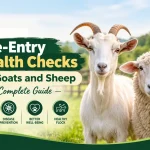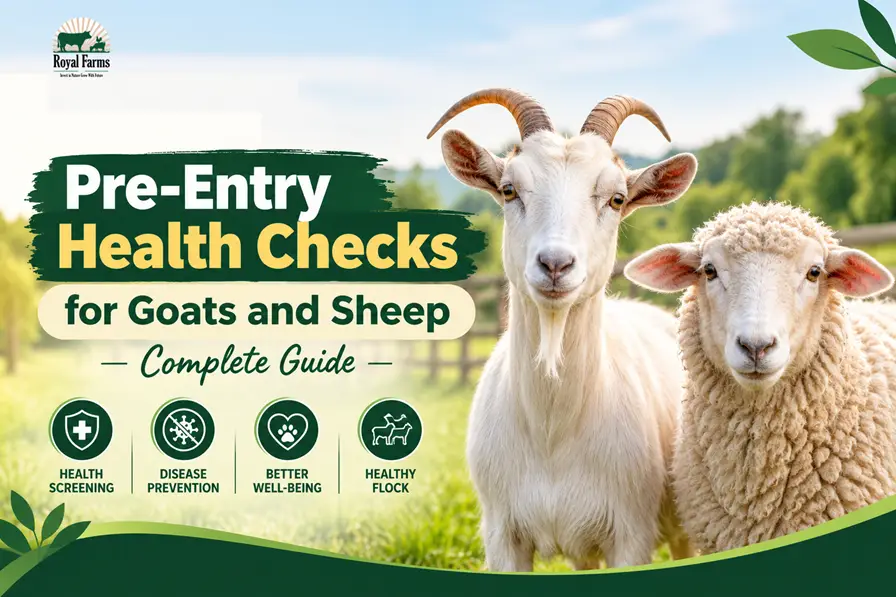
Pre-entry health checks for goats and sheep are an essential part of successful livestock farming. Whether you are starting a new farm, expanding your existing herd, or purchasing animals for commercial livestock production, checking their health before introducing them to your farm can help prevent disease, reduce financial losses, and maintain a healthy flock.
Goats and sheep can carry infectious diseases, internal parasites, external parasites, and other health problems without showing obvious symptoms. Introducing an infected animal into an established herd may expose other animals to illness and affect farm productivity. Therefore, farmers should follow a proper health screening and quarantine process before allowing newly purchased animals to mix with the existing livestock.
In this complete guide, we will explain the important health checks, vaccination records, parasite inspections, quarantine practices, and veterinary examinations that farmers should consider before bringing goats and sheep onto their farms.
Why Are Pre-Entry Health Checks Important for Goats and Sheep?
Table of Contents
TogglePre-entry health checks help farmers identify potential health problems before new animals enter their livestock environment. These checks are particularly important for commercial goat farming, sheep farming, breeding operations, and farms that regularly purchase animals from different suppliers.
Here are some major benefits of conducting health checks before entry:
- Disease prevention: Identifying potentially infected animals helps reduce the risk of disease spreading through the herd.
- Better animal productivity: Healthy animals are more likely to maintain proper growth, reproductive performance, and overall condition.
- Reduced veterinary expenses: Early identification of health concerns can help prevent costly treatment and production losses.
- Improved farm biosecurity: Screening and isolating incoming animals strengthens the farm’s disease prevention practices.
- Safer breeding management: Checking breeding animals can help reduce the risk of introducing reproductive diseases into the herd.
A consistent screening procedure helps farmers make informed purchasing decisions and supports long-term livestock management.
1. Perform a General Physical Examination
The first step is to observe the animal’s overall appearance and physical condition. A healthy goat or sheep is generally alert, responsive, and able to move normally.
During the initial examination, check the following:
Body condition: Look for signs of excessive thinness, unusual weight loss, or poor muscle development. An animal that is too thin may have nutritional deficiencies, parasite problems, or an underlying illness.
Eyes and nose: The eyes should be clear, without excessive discharge, swelling, or cloudiness. Check the nose for unusual discharge or signs of breathing difficulties.
Skin and coat: Examine the skin for wounds, hair loss, scabs, swelling, and abnormal skin growths. A rough coat or irritated skin may indicate parasites, nutritional problems, or other health concerns.
Movement and posture: Observe the animal while standing and walking. Limping, stiffness, difficulty standing, or reluctance to move may indicate injury or illness.
Behaviour: Excessive dullness, unusual aggression, isolation from other animals, or a reduced response to surroundings should be investigated.
A general physical examination is useful for identifying visible warning signs, but it cannot rule out every infectious disease. Veterinary assessment may be necessary before purchase or entry.
2. Check Temperature, Breathing, and General Vital Signs
Body temperature, breathing, and heart rate can provide useful information about an animal’s health. These measurements should be taken correctly and interpreted according to the animal’s age, species, activity level, and environmental conditions.
For adult goats and sheep, normal resting body temperature is commonly around 38.5°C to 40°C, although individual readings can vary. Handling stress, hot weather, and recent physical activity can affect measurements.
Farmers should look for:
- Unusually high or low body temperature.
- Rapid or laboured breathing while resting.
- Persistent coughing or sneezing.
- Abnormal nasal discharge.
- Signs of weakness, dehydration, or exhaustion.
If an animal has an abnormal temperature or shows signs of respiratory distress, consult a veterinarian before allowing it to enter the herd. Avoid relying on a single measurement to diagnose a disease.
3. Inspect the Mouth, Teeth, and Digestive Health
The mouth and teeth can provide important clues about an animal’s feeding ability and nutritional condition. Check for mouth injuries, excessive salivation, sores, abnormal swelling, and difficulty chewing.
In sheep and goats, mouth lesions accompanied by fever or lameness can sometimes indicate a contagious disease. Any suspicious lesions should be assessed by a veterinarian, and the animal should remain isolated until the cause is clarified.
Digestive health also requires attention. Observe the animal’s appetite, rumination, manure consistency, and abdominal appearance.
Warning signs include:
- Persistent diarrhoea or unusually loose droppings.
- Reduced appetite or refusal to eat.
- Abdominal swelling or bloating.
- Signs of dehydration.
- Sudden changes in manure consistency.
Digestive problems may be associated with dietary changes, parasites, infections, or other conditions. Do not introduce an animal with unexplained digestive symptoms into an established herd.
4. Conduct Internal and External Parasite Checks
Parasite control is a major consideration in goat and sheep farming. Parasites can affect digestion, blood levels, growth, and overall body condition, while external parasites can cause irritation, skin damage, and reduced productivity.
Internal parasite screening
Internal parasites may cause weight loss, diarrhoea, weakness, pale mucous membranes, and poor growth. However, infected animals do not always show obvious symptoms.
A veterinarian may recommend a faecal examination to identify parasite eggs or other evidence of infection. The results can help guide appropriate treatment and parasite management.
External parasite inspection
Examine the skin and coat for ticks, lice, mites, and other visible parasites. Pay attention to areas around the ears, neck, tail, and other locations where parasites may gather.
Avoid giving dewormers or other parasite treatments automatically without considering veterinary advice, local parasite risks, and previous treatment history. Unnecessary or incorrect medication can contribute to drug resistance and may not address the actual problem.
5. Review Vaccination and Medical Records
Before purchasing goats or sheep, request available vaccination records, treatment history, and relevant veterinary documents from the seller.
Important information includes:
- Previous vaccinations and their dates.
- Deworming and external parasite treatment history.
- Previous illnesses, injuries, or surgeries.
- Recent antibiotic or other medication use.
- Previous laboratory test results, where available.
- Breeding and reproductive health history for breeding animals.
Vaccination requirements vary according to location, disease prevalence, age, production system, and veterinary recommendations. In India, farmers should consult a local veterinarian about relevant diseases and the appropriate vaccination schedule for their area.
If vaccination records are missing or incomplete, do not assume that the animal is protected. Ask a veterinarian to develop an appropriate vaccination and preventive healthcare plan.
6. Screen for Important Infectious Diseases
Some diseases can spread quickly and cause significant losses in goat and sheep herds. The diseases requiring attention depend on the farm’s location, animal movement history, and production system.
A veterinarian may recommend screening for diseases such as brucellosis, contagious caprine pleuropneumonia in goats, or other locally relevant infections. Additional testing may be appropriate for breeding animals or livestock purchased from areas with known disease risks.
Farmers should also watch for signs associated with serious contagious diseases, including unexplained fever, mouth lesions, respiratory problems, sudden deaths, and unusual lameness.
Do not rely only on visual examination when purchasing animals for breeding or commercial production. Some infections may be present without obvious clinical signs, so laboratory testing may be necessary.
If a suspected notifiable or serious contagious disease is identified, isolate the affected animals and contact a veterinarian or the relevant animal husbandry authority promptly.
7. Examine Hooves, Legs, and Mobility
Healthy hooves and strong legs are important for feeding, grazing, breeding, and normal movement. Before bringing an animal onto your farm, examine its feet and observe how it walks.
Check for overgrown hooves, swelling, wounds, foul-smelling discharge, and signs of pain. Watch for limping, uneven weight distribution, or reluctance to stand.
Foot problems may result from injury, poor hoof care, infection, or unsuitable housing conditions. If several animals from the same source show lameness or foot lesions, investigate the possibility of a contagious problem before introducing them to your herd.
Any necessary hoof trimming or treatment should be carried out safely and appropriately.
8. Follow a Proper Quarantine Period
Quarantine is one of the most important steps in pre-entry health management. Even when an animal appears healthy, it may be incubating an infectious disease or carrying parasites.
Newly purchased goats and sheep should generally be kept separate from existing animals for a veterinarian-recommended period. Around 21–30 days is commonly used as a practical starting point, but the appropriate duration depends on disease risks, testing requirements, and local veterinary guidance.
During quarantine:
- House incoming animals in a separate area with no direct contact with the main herd.
- Use separate feeding and watering equipment where possible.
- Avoid sharing tools, bedding, and other materials without proper cleaning and disinfection.
- Monitor appetite, body condition, temperature when indicated, manure, and behaviour.
- Record any illness, treatment, or unusual observation.
- Arrange recommended tests and vaccinations with a veterinarian.
- Handle quarantined animals after caring for the established herd, where practical, and follow good hygiene practices.
Quarantine should not be treated as a substitute for veterinary screening. It is an additional biosecurity measure that helps reduce the risk of introducing disease.
9. Check Identification, Age, and Breeding Status
Health screening should also include checking the animal’s identity and suitability for your farming objectives.
Confirm the animal’s age, sex, breed, identification tag or other available identification details, and reproductive status. If the animal is being purchased for breeding, ask about previous pregnancies, kidding or lambing history, fertility concerns, and any known reproductive disorders.
For pregnant animals, a veterinarian can help assess their condition and advise on suitable transport, feeding, housing, and monitoring.
Accurate records help farmers track animal performance, health treatments, breeding outcomes, and future healthcare requirements.
10. Prepare the Farm Before Animals Arrive
A successful pre-entry health programme begins before the animals reach the farm. The quarantine area should be clean, dry, well ventilated, and secure, with adequate space and access to clean drinking water.
Before arrival, farmers should:
- Clean and disinfect appropriate housing surfaces and equipment.
- Prepare separate feeders and water containers for incoming animals.
- Ensure adequate feed and suitable bedding are available.
- Arrange veterinary support for examination and testing.
- Prepare animal identification and health record sheets.
- Plan how to isolate any animal that develops symptoms.
Avoid mixing newly purchased animals with the main herd immediately after unloading. Careful transport, low-stress handling, clean housing, and gradual adaptation to the farm’s feeding routine can also support animal welfare.
Common Mistakes to Avoid During Pre-Entry Health Checks
Farmers can reduce health risks by avoiding several common mistakes:
- Buying animals based only on appearance, breed, or price.
- Ignoring vaccination and treatment records.
- Mixing newly purchased animals with the existing herd immediately.
- Assuming that a lack of visible symptoms means an animal is disease-free.
- Using medicines or dewormers without appropriate guidance.
- Failing to record health observations and treatments.
- Overlooking hoof problems, poor body condition, or abnormal manure.
- Purchasing animals from unknown sources without considering their health history.
A structured checklist and veterinary support can help prevent these mistakes and improve herd management.
Conclusion
Pre-entry health checks for goats and sheep are essential for maintaining a healthy herd and building a successful livestock farming operation. Physical examinations, parasite screening, vaccination record reviews, infectious disease testing where indicated, hoof inspections, and proper quarantine all contribute to better farm biosecurity.
Farmers should assess each animal carefully and seek veterinary advice whenever health concerns arise. By following a consistent screening process before introducing new livestock, farmers can reduce preventable disease risks, protect existing animals, and support better long-term productivity.
At Royal Farms, understanding good livestock management practices is an important step toward informed and responsible goat and sheep farming. Make pre-entry health checks a regular part of your farm management plan to help create a healthier environment for your animals.