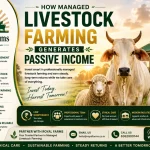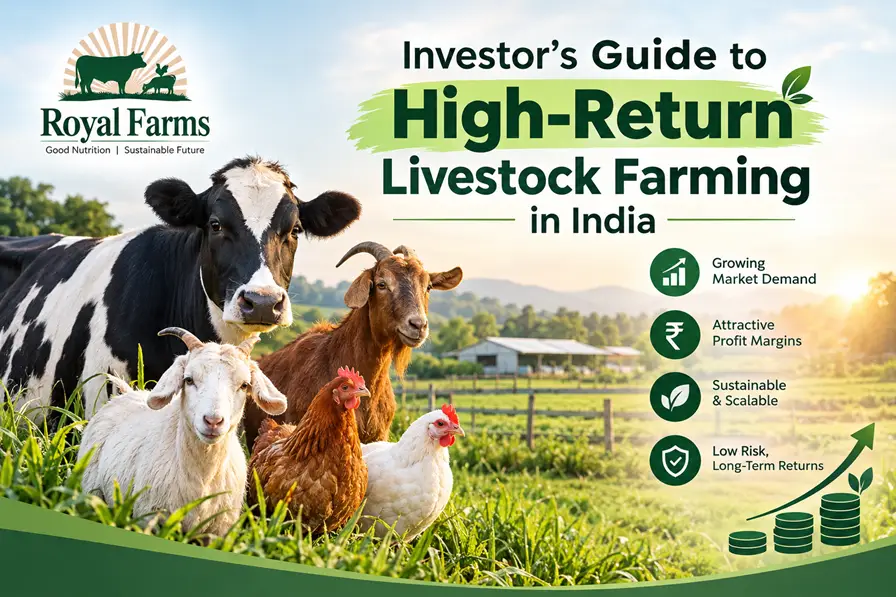
Livestock farming has become an important part of India’s agricultural and rural economy. With growing demand for milk, meat, eggs, and other livestock products, professionally managed farming has created new opportunities for people looking to participate in the agriculture sector.
For an investor, however, livestock farming is more than simply owning animals. The performance of a livestock business depends on several factors, including animal quality, breeding, nutrition, healthcare, farm infrastructure, daily management, and market planning. Understanding these factors is essential before choosing a livestock farming opportunity.
Understanding Livestock Farming as an Investment
Table of Contents
ToggleLivestock farming investment involves putting capital into a professionally managed farming operation where animals are raised for breeding, dairy production, poultry production, or commercial livestock sales.
Unlike many conventional investments, livestock farming is connected to a physical business. Animals need daily care, proper nutrition, suitable housing, healthcare, and regular monitoring. This makes farm management one of the most important elements of the overall business model.
A well-organized livestock operation combines animal management with proper infrastructure, experienced workers, veterinary support, breeding programs, and market planning.
Why Investors Are Looking at Livestock Farming
India has a large and diverse livestock sector, creating opportunities across different categories of farming. Goat and sheep farming, cattle operations, and poultry farming are among the areas where professional management can play an important role.
Some factors that make livestock farming attractive to investors include:
- Growing demand for livestock products
- Multiple livestock farming categories
- Opportunities for breeding and herd development
- Tangible agricultural assets
- Scope for professional farm management
- Potential for developing long-term agricultural businesses
However, investors should understand that livestock farming does not provide guaranteed returns. Results can vary depending on operating costs, animal health, market conditions, farm productivity, and management efficiency.
Major Livestock Farming Opportunities
Goat and Sheep Farming
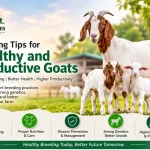
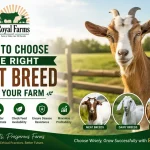
Goat and sheep farming can be developed around breeding, herd growth, and commercial livestock sales. Proper breed selection, nutrition, healthcare, housing, and breeding management are essential for maintaining a healthy herd.
A professionally managed farm can monitor animal growth, breeding cycles, feeding requirements, and health conditions more systematically.
For investors considering goat or sheep farming, it is important to understand how animals are selected, how breeding is managed, and how the overall herd is developed over time.
Cattle Farming
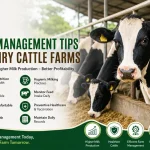
Cattle farming requires a structured approach to animal selection, feeding, healthcare, breeding, and farm management.
Healthy and well-managed cattle can support commercial farming operations, particularly when proper nutrition and veterinary care are maintained. Farm infrastructure also plays an important role in providing animals with a clean and suitable environment.
Investors should look at the quality of cattle, feeding practices, healthcare systems, breeding methods, and overall management before considering a cattle farming opportunity.
The Importance of Professional Farm Management
Managing livestock requires regular attention and specialized knowledge. Daily responsibilities may include:
- Feeding and nutrition management
- Animal health monitoring
- Veterinary care
- Breeding management
- Cleaning and hygiene
- Housing maintenance
- Growth monitoring
- Farm record keeping
- Livestock handling
- Market planning
For an investor who does not have farming experience or the time to manage these activities personally, professional farm management can provide a more organized approach.
A professionally managed operation can establish standard procedures for feeding, healthcare, breeding, animal monitoring, and farm maintenance.
Factors Investors Should Consider Before Investing
Choosing a livestock farming opportunity requires careful evaluation. Investors should not focus only on expected returns.
1. Understand the Business Model
Before investing, understand exactly how the farming business generates revenue. It could involve livestock breeding, animal sales, dairy production, poultry production, or a combination of activities.
A clear understanding of the revenue model helps investors evaluate the opportunity more realistically.
2. Evaluate Farm Management
The people managing the farm have a direct role in day-to-day performance.
Consider their experience in animal care, breeding, nutrition, healthcare, farm operations, and livestock management. A structured management system can make a significant difference to farm efficiency.
3. Check Animal Quality
The quality of livestock is an important consideration. Breed, age, health, growth potential, reproductive ability, and overall condition can influence the performance of a farming operation.
Investors should understand how animals are selected and how their health and development are monitored.
4. Examine Feeding and Nutrition
Nutrition is one of the foundations of healthy livestock. Animals require appropriate feed according to their species, age, growth stage, and production requirements.
A well-planned feeding program can support healthy development and help maintain consistent farm operations.
5. Review Healthcare Practices
Livestock health directly affects farm productivity. Regular monitoring, vaccination, veterinary support, hygiene, and early identification of health issues are important parts of responsible livestock management.
Investors should understand what healthcare systems are available at the farm and how animal health is monitored.
6. Understand Infrastructure
Proper infrastructure provides the foundation for efficient livestock management.
Housing should provide suitable space, ventilation, cleanliness, protection, and easy access to feed and water. Well-planned infrastructure can also make daily farm activities more organized.
7. Understand the Risks
Every agricultural business involves risks. Livestock farming can be affected by disease, animal mortality, feed prices, weather conditions, operational challenges, and changes in livestock market prices.
Therefore, investors should carefully understand the risks and avoid making decisions based solely on projected returns.
Why Breeding and Genetics Matter
Breeding plays an important role in livestock development. Selecting suitable animals for breeding can help improve herd quality and support long-term farm development.
Professional breeding management involves selecting animals based on relevant characteristics, monitoring reproductive performance, maintaining records, and planning future herd development.
Good breeding practices should be combined with proper nutrition and healthcare because genetics alone cannot determine farm performance.
The Role of Nutrition in Livestock Growth
Nutrition is another major factor in livestock farming. Animals need balanced nutrition to support growth, reproduction, immunity, and overall health.
Feeding programs should be planned according to the specific livestock category and its requirements. Consistent access to suitable feed and clean water is essential for maintaining healthy animals.
For investors, understanding how the farm manages feed sourcing, storage, distribution, and nutrition planning can provide useful insight into the quality of its operations.
Building a Sustainable Livestock Farming Business
Long-term livestock farming requires more than increasing the number of animals. Sustainable operations focus on animal health, responsible resource use, proper infrastructure, professional management, and consistent farm processes.
Animal welfare should also remain an important part of livestock management. Clean housing, adequate nutrition, appropriate handling, healthcare, and suitable living conditions contribute to healthier animals and more responsible farming practices.
A sustainable livestock business is built through consistent management rather than depending on short-term market movements.
Final Thoughts
Livestock farming can offer an interesting opportunity for investors who want to participate in India’s agricultural sector. However, successful livestock investment requires careful evaluation of the farming model, livestock quality, management team, infrastructure, nutrition, healthcare, breeding practices, operating costs, market conditions, and associated risks.
For investors looking to explore professionally managed livestock farming, Royal Farms provides managed farming opportunities across poultry integration, cattle operations, and sheep and goat farming, supported by professional farm management, breeding, housing, feeding, nutrition, and animal care. To learn more about Royal Farms and its livestock farming opportunities, visit https://royalfarms.co.in.