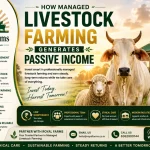
Livestock farming investment is becoming an increasingly interesting opportunity for people looking to participate in India’s growing agricultural and livestock sector. However, successful livestock farming requires much more than purchasing animals and providing daily feed. Animal health, breeding, housing, nutrition, farm management, market planning, and regular monitoring all play an important role in building a sustainable farming operation. This is where managed livestock farming can offer a structured approach for investors who want exposure to the livestock sector without handling every aspect of farm operations themselves.
What Is Managed Livestock Farming?
Table of Contents
ToggleManaged livestock farming is a model in which the operational responsibilities of a livestock farm are handled by experienced farming professionals. Instead of an investor personally managing feeding schedules, animal care, breeding, housing, veterinary coordination, and other daily activities, these functions are managed by a dedicated team.
The objective is to create an organized farming environment where livestock can be cared for properly while farm operations are monitored systematically.
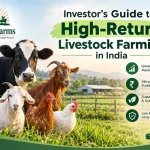
Depending on the business model, managed livestock farming can include cattle operations, sheep farming, and goat farming. Each category has different management requirements, but professional planning remains important across all types of livestock.
How Does the Managed Livestock Farming Model Work?
The managed farming model generally begins with establishing suitable livestock facilities and selecting an appropriate farming activity. Once the farm is operational, trained professionals manage the day-to-day requirements.
Key activities may include:
- Livestock selection and management
- Feeding and nutrition planning
- Housing and facility management
- Breeding and genetics
- Animal health monitoring
- Farm hygiene and sanitation
- Production and growth monitoring
- Operational planning
- Market and sales management
- Regular reporting and communication
The exact process can vary depending on the livestock category and investment structure. The main advantage is that the operational side of farming is handled through a structured management system rather than relying entirely on the investor.
Why Is Professional Management Important?
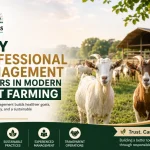
Livestock farming involves continuous responsibilities. Animals need proper nutrition, clean housing, health monitoring, and appropriate care throughout their growth cycle. Even small management issues can affect animal health and farm productivity.
Professional management helps create consistency across these activities.
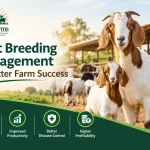
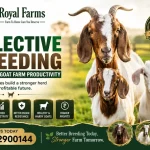
For example, proper housing can support animal comfort and welfare, while balanced nutrition can contribute to healthy growth. Selective breeding can also help improve livestock quality over time. Royal Farms highlights professional management across breeding, housing, feeding, and nutrition as important components of its livestock farming approach.
For investors, this structured approach can make livestock farming easier to understand and monitor compared with independently managing a farm without prior experience.
Different Areas of Managed Livestock Farming
Cattle Operations
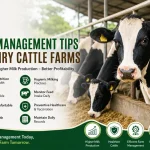
Cattle farming requires careful selection, nutrition, housing, health monitoring, and market planning. Professionally managed cattle operations can focus on maintaining healthy animals and managing their value throughout the farming cycle.
Royal Farms’ cattle operations focus on high-quality milking cows and professional livestock management.
Sheep and Goat Farming
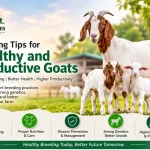
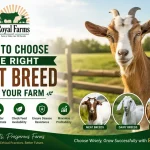
Sheep and goat farming can involve breeding, nutrition, housing, health management, and livestock growth planning. A structured breeding program can help improve herd quality and support long-term farm development.
Royal Farms follows an integrated sheep and goat farming approach with a focus on breeding and growth.
What Should Investors Consider Before Choosing a Managed Farming Model?
Managed livestock farming should be approached as an agricultural business rather than a guaranteed-return financial product. Investors should understand the business model, operational responsibilities, livestock category, expected farming cycle, associated risks, and how reporting is handled.
Before making a decision, investors should consider:
Management experience: Understand who will operate and manage the farm.
Transparency: Look for clear information about farm operations and reporting.
Animal welfare: Healthy livestock and responsible animal care should be central to the farming process.
Infrastructure: Evaluate the quality of housing, facilities, feeding systems, and other farm infrastructure.
Business model: Understand how the livestock business generates revenue and how the farming cycle works.
Risk factors: Livestock farming can be affected by animal health, feed costs, market conditions, weather, and other agricultural factors.
A well-organized managed farming model should clearly communicate these factors rather than presenting livestock farming as a risk-free opportunity.
The Role of Ethical Livestock Farming
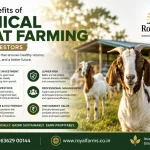
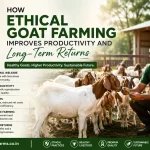
Animal welfare is an important part of responsible livestock management. Clean housing, appropriate nutrition, proper veterinary support, hygiene, and stress-free environments can contribute to healthier livestock.
Modern livestock farming increasingly combines business management with responsible animal care. Royal Farms emphasizes ethical animal care, sustainable farming practices, transparent operations, and professional farm management as part of its approach.
This combination is important because sustainable livestock businesses need to consider both animal welfare and long-term operational performance.
Why Managed Livestock Farming Can Appeal to Investors
One of the biggest challenges for new livestock investors is a lack of practical farming experience. Managing animals independently requires time, knowledge, infrastructure, and continuous involvement.
A managed model can reduce the operational burden by placing farm activities under experienced professionals. Investors can therefore focus on understanding the business structure and monitoring the progress of their investment while the farming team manages daily operations.
However, investors should always conduct proper due diligence and understand that agricultural businesses involve inherent risks. Past performance or projected returns should never be treated as a guarantee of future results.
Conclusion
Managed livestock farming provides a structured way to participate in the livestock sector while professional teams handle essential farm operations. From cattle operations to sheep and goat farming, successful livestock businesses depend on proper management, animal care, nutrition, breeding, infrastructure, and transparent processes.
For anyone considering livestock farming as an investment opportunity, understanding the complete business model is essential. Choosing an experienced and transparent farming partner can help investors make more informed decisions while supporting responsible and professionally managed agricultural operations.
If you are interested in learning more about managed livestock farming and investment opportunities, Royal Farms can help you understand its professionally managed farming model and available opportunities. To discuss your requirements and learn more, visit the Royal FarmsContact Us page: https://royalfarms.co.in/contact-us