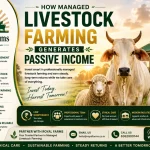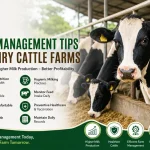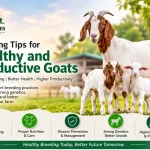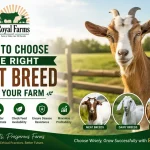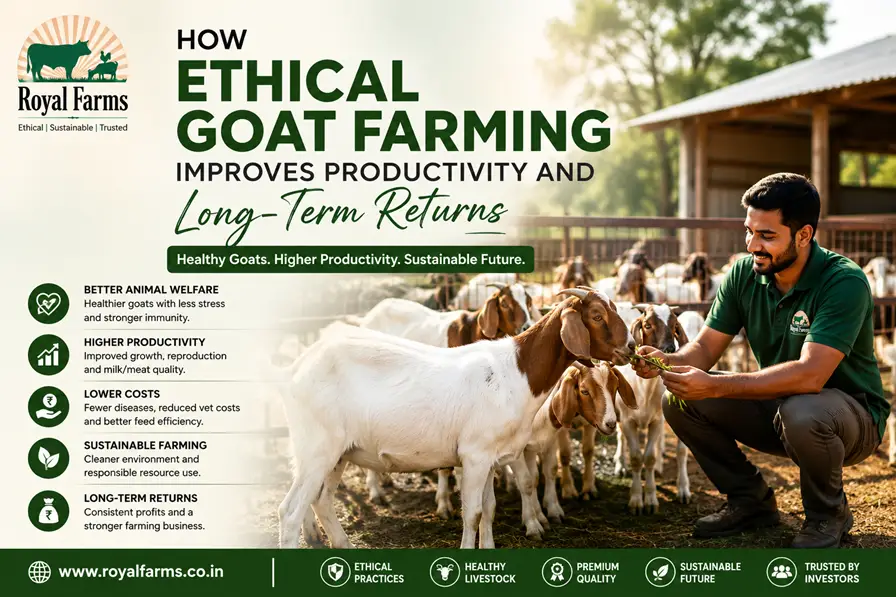
Goat farming has become one of the fastest-growing sectors in India’s livestock industry. With increasing demand for quality meat, milk, and breeding stock, farmers and investors are looking beyond traditional methods to adopt sustainable and ethical farming practices. Ethical goat farming is not only about treating animals with care—it is a practical approach that improves productivity, reduces losses, and creates long-term financial returns.
By focusing on animal welfare, proper nutrition, clean housing, and responsible breeding, ethical farming builds healthier herds and stronger businesses. Whether you are a livestock entrepreneur, an investor, or someone exploring commercial goat farming, understanding the value of ethical practices can help you achieve sustainable success.
What Is Ethical Goat Farming?
Table of Contents
ToggleEthical goat farming is a management system that prioritizes the health, comfort, and well-being of goats while maintaining efficient and environmentally responsible farming practices. It involves providing clean housing, balanced nutrition, regular veterinary care, stress-free handling, and responsible breeding. These principles help create healthier animals and more sustainable farm operations.
Unlike conventional systems that focus only on short-term production, ethical farming aims to improve both animal welfare and long-term profitability.
Healthier Goats Lead to Higher Productivity
Healthy goats naturally perform better in every aspect of farming. Animals that receive balanced feed, clean drinking water, proper shelter, and preventive healthcare are less likely to suffer from diseases or nutritional deficiencies.
Healthy goats generally demonstrate:
- Better weight gain
- Improved reproductive performance
- Stronger immunity
- Lower mortality rates
- Higher-quality meat and breeding stock
When farmers reduce disease outbreaks and improve herd health, operating costs decrease while overall productivity increases.
Reduced Stress Improves Farm Performance
Stress has a significant impact on livestock productivity. Overcrowding, poor ventilation, lack of hygiene, and rough handling can weaken the immune system and reduce growth performance.
Ethical goat farming minimizes stress by providing:
- Spacious and hygienic housing
- Proper ventilation
- Comfortable resting areas
- Consistent feeding schedules
- Gentle handling during daily operations
Stress-free animals eat better, grow faster, and maintain stronger overall health, resulting in better farm performance over time.
Responsible Breeding Creates Stronger Herds
Selective breeding is another important element of ethical goat farming. Choosing healthy breeding stock helps improve genetics, fertility, disease resistance, and overall productivity.
Responsible breeding contributes to:
- Healthier offspring
- Faster herd expansion
- Improved growth rates
- Better market value
- Reduced health complications
Instead of focusing only on increasing herd size, ethical farmers prioritize quality, ensuring long-term sustainability.
Proper Nutrition Maximizes Growth
Nutrition is one of the biggest factors affecting livestock productivity. Goats require a balanced diet consisting of quality forage, minerals, clean water, and nutritional supplements whenever necessary.
A well-managed feeding program helps:
- Improve daily weight gain
- Increase reproductive efficiency
- Strengthen immunity
- Reduce veterinary expenses
- Enhance overall livestock quality
Good nutrition not only improves animal health but also increases profitability by producing stronger and healthier goats.
Sustainable Farming Protects Future Growth
Ethical farming also supports environmental sustainability. Proper manure management, efficient resource utilization, and responsible land management help preserve soil fertility and reduce environmental impact.
Sustainable practices provide several long-term benefits:
- Improved soil health
- Better pasture management
- Lower waste generation
- Efficient resource utilization
- Long-term agricultural sustainability
These practices create farming systems that remain productive for years while supporting responsible agricultural development.
Better Animal Welfare Builds Trust
Consumers, investors, and business partners are becoming increasingly aware of how livestock is raised. Ethical farming demonstrates transparency and responsible animal care, which strengthens trust and enhances business credibility.
A professionally managed farm that prioritizes animal welfare is often viewed as more reliable and sustainable, making it easier to build long-term relationships and attract future investment opportunities.
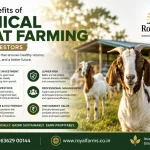
Long-Term Financial Benefits
Many people assume ethical farming is expensive. However, the long-term financial advantages often outweigh the initial investment.
Ethical goat farming helps generate sustainable returns by:
- Reducing livestock mortality
- Lowering veterinary and treatment costs
- Improving breeding success
- Producing healthier livestock with better market value
- Supporting consistent farm productivity
- Building long-term business sustainability
Rather than focusing on short-term profits, ethical farming creates a resilient business model capable of delivering stable returns over many years.
Technology Supports Ethical Farming
Modern livestock farms increasingly use technology to improve efficiency and animal welfare. Farm monitoring systems, digital record management, scheduled health checks, and data-driven breeding programs help farmers make informed decisions while maintaining high welfare standards.
Technology enables better monitoring of animal health, feeding schedules, and overall farm performance, reducing risks and improving operational efficiency.
Conclusion
Ethical goat farming is more than a farming philosophy—it is a practical and profitable approach that combines responsible animal care with sustainable business growth. By investing in healthy breeding practices, balanced nutrition, proper housing, and professional farm management, farmers can improve productivity while creating long-term financial value.
At Royal Farms, we are committed to building a future where ethical livestock farming and sustainable agriculture go hand in hand. Our professionally managed sheep and goat farming model focuses on animal welfare, transparent operations, modern farm management, and long-term growth for both farmers and investors. To learn more about our ethical farming approach and livestock investment opportunities, visit https://royalfarms.co.in/ and discover how responsible farming can create lasting value for future generations.