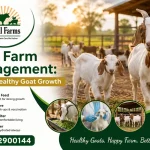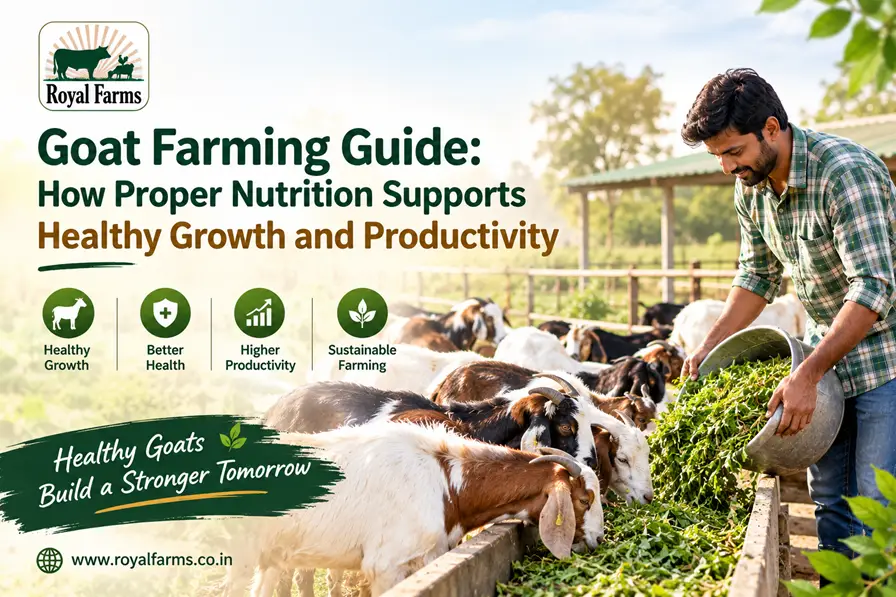
Goat farming is an important part of livestock agriculture and can be a rewarding activity when managed with proper planning, nutrition, housing, and animal care. Whether you are starting a small goat farm or managing an established livestock operation, the health and growth of your goats should always remain a priority. Among all the factors that influence goat performance, proper nutrition plays one of the most important roles.
Healthy goats need a balanced diet that provides energy, protein, minerals, vitamins, fiber, and sufficient water. Good nutrition supports normal growth, healthy body condition, strong immunity, reproduction, and overall productivity. At the same time, proper feeding practices can help farmers manage resources efficiently and create a healthier and more sustainable farming system.
Why Nutrition Is Important in Goat Farming
Table of Contents
ToggleNutrition directly affects the growth, health, and productivity of goats. A goat that receives inadequate or unbalanced feed may experience slow growth, poor body condition, reduced reproductive performance, and greater susceptibility to health problems.
Young goats have particularly high nutritional requirements because their bodies are developing rapidly. Pregnant and lactating does also need additional nutrients to support pregnancy, milk production, and recovery after kidding. Similarly, growing goats require sufficient nutrition to develop strong muscles and bones.
A well-planned feeding program helps provide goats with the nutrients they need at different stages of life. Instead of focusing only on the quantity of feed, goat farmers should also consider its quality, nutritional value, freshness, and suitability for the animals.
Understanding the Nutritional Needs of Goats
A balanced goat diet generally includes several important components. Each plays a different role in maintaining animal health and supporting growth.
1. Energy
Energy is essential for daily activities, body maintenance, growth, reproduction, and milk production. Goats obtain energy from carbohydrates, fats, and other nutrients present in their feed.
Forage, grasses, crop residues, and suitable supplemental feeds can contribute to the energy requirements of goats. The exact amount needed depends on factors such as age, body size, activity level, pregnancy, and production stage.
2. Protein
Protein supports muscle development, tissue repair, growth, and milk production. Growing kids require adequate protein because their bodies are developing quickly.
Green fodder and suitable protein-rich feed ingredients can help meet dietary requirements. However, farmers should avoid making sudden or excessive changes to the diet. Feed should be introduced gradually and according to the goats’ nutritional needs.
3. Fiber
Fiber is an important part of a goat’s diet because goats are ruminant animals. Good-quality roughage and forage support normal digestion and help maintain proper rumen function.
Fresh grasses, browse, hay, and other suitable forage can provide valuable fiber. Providing a variety of appropriate forage can also make feeding more practical and beneficial for the herd.
4. Minerals and Vitamins
Minerals and vitamins are required for several important functions, including bone development, immunity, reproduction, and general health.
Calcium and phosphorus, for example, are important for healthy bones and development. Other minerals are also required in smaller amounts. A suitable mineral supplementation program should be based on the quality of available feed and local conditions.
Farmers should consult a veterinarian or qualified livestock nutrition professional when developing a supplementation plan, especially when goats show signs of nutritional deficiencies.
5. Clean and Fresh Water
Water is often overlooked, but it is one of the most essential parts of goat nutrition. Goats should have regular access to clean, fresh drinking water.
Water requirements can vary depending on weather, feed type, age, pregnancy, lactation, and activity. During hot weather, adequate water becomes especially important.
Keeping water containers clean can also help reduce contamination and encourage goats to drink regularly.
Feeding Goats at Different Growth Stages
The nutritional needs of goats change throughout their lives. A feeding program that works for adult goats may not be suitable for young kids.
Nutrition for Young Kids
Young goats need adequate nutrition for healthy development. During the early stages of life, milk is an important source of nutrients. As kids grow, they gradually begin consuming forage and other suitable feeds.
Introducing appropriate feed gradually can support the transition toward a more mature diet. Young goats should also receive proper care, clean water, and a suitable living environment.
Nutrition for Growing Goats
Growing goats require sufficient energy, protein, minerals, and fiber to support healthy weight gain and body development. Consistent access to quality forage can form the foundation of their diet, while additional feed may be provided when necessary.
Farmers should regularly observe body condition and growth rather than relying only on the amount of feed provided.
Nutrition for Pregnant Goats
Pregnancy increases the nutritional demands of does. Proper nutrition supports the health of the mother and the developing kids.
As pregnancy progresses, farmers should pay particular attention to feed quality and overall nutritional balance. Any major changes to the feeding program should be introduced carefully and preferably with professional guidance.
Nutrition for Lactating Goats
Milk production requires additional nutrients and adequate water. Lactating does need a diet that can support their increased nutritional requirements while helping them maintain a healthy body condition.
Providing suitable forage, supplemental feed when necessary, minerals, and clean water can contribute to better overall health and productivity.
The Role of Good Quality Feed
Quality feed is a major part of successful goat farming. Farmers should select forage and supplemental feeds carefully and avoid feeding spoiled, moldy, contaminated, or poor-quality materials.
Green fodder can provide important nutrients and variety, while dry forage can contribute fiber to the diet. Depending on the farming system, locally available feed resources may also help farmers manage feeding costs.
However, economical feeding does not mean simply choosing the cheapest feed. The nutritional value, availability, quality, and suitability of the feed should all be considered.
Proper Feeding Practices for Better Goat Health
Good nutrition is not only about what goats eat but also how they are fed. Establishing consistent feeding routines can make herd management easier and help farmers monitor individual animals.
Farmers should avoid sudden changes in diet because abrupt changes can disturb normal digestion. New feed should generally be introduced gradually.
Feed storage is also important. Dry feed should be stored in a clean, dry, and protected area. Fresh forage should be handled properly to reduce contamination.
Feeding areas should also be cleaned regularly. This helps maintain hygiene and reduces the chances of feed becoming contaminated with dirt or waste.
Nutrition and Goat Farm Productivity
Healthy nutrition can contribute to better farm productivity in several ways. Properly nourished goats are more likely to maintain healthy body condition, achieve appropriate growth, and perform better during important stages of production.
For farmers, this can support more efficient herd management. Regular monitoring of weight, body condition, feed intake, reproduction, and general health can help identify nutritional problems early.
Good nutrition should therefore be considered part of a broader farm management strategy rather than an isolated activity.
Sustainable Goat Farming Through Better Resource Management
Sustainable goat farming involves using available resources responsibly while maintaining animal health and farm productivity. Farmers can explore locally available forage and agricultural resources that are suitable for goats.
Proper pasture and grazing management can also help prevent overgrazing. Rotating grazing areas where practical may help protect vegetation and maintain better forage availability.
At the same time, farmers should ensure that goats receive sufficient nutrition rather than relying entirely on natural grazing when available forage is inadequate.
Sustainable farming is ultimately about finding a practical balance between animal welfare, resource management, productivity, and long-term farm goals.
Monitor Your Goats Regularly
Even with a well-planned feeding program, regular observation is essential. Farmers should watch for changes in appetite, body condition, activity, coat appearance, growth, and general behavior.
Young goats should be monitored for healthy development, while pregnant and lactating animals require additional attention because their nutritional needs are higher.
If a goat shows persistent signs of poor health, abnormal behavior, significant weight loss, or reduced productivity, professional veterinary advice should be sought. Nutrition is important, but health problems can have multiple causes and should be properly evaluated.
Conclusion
Successful goat farming starts with healthy and well-managed animals. Proper nutrition supports healthy growth, strong development, reproduction, immunity, and overall productivity. Providing a balanced diet containing appropriate forage, energy, protein, fiber, minerals, vitamins, and clean water can help farmers build a healthier herd.
However, nutrition should always be adapted to the age, size, production stage, and individual requirements of the goats. Good feeding practices, clean housing, regular observation, veterinary care, and responsible resource management should work together as part of an effective goat farming system.
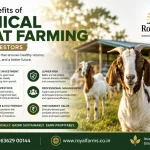
For farmers looking to develop better livestock management practices and build a sustainable approach to goat farming, Royal Farms focuses on the importance of healthy livestock, proper nutrition, and responsible farm management. To learn more about goat farming and livestock-related information, visit the Royal Farms website: www.royalfarms.co.in.