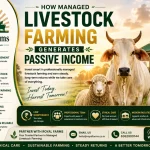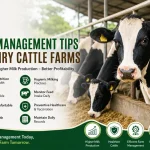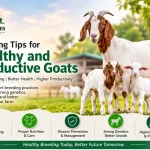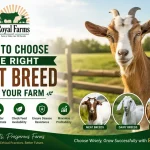
Livestock farming has always been an important part of agriculture in India. However, traditional farming methods often require large land areas, daily management, and significant experience. Today, professional livestock farming projects are changing the way people participate in agriculture. These managed farming models allow individuals to invest in livestock farming while experts handle the operations, care, and farm management.
If you are looking for a reliable agricultural investment opportunity, professional livestock farming can be a smart and sustainable choice. Platforms like Royal Farms are helping individuals participate in organised livestock farming projects with transparency, modern infrastructure, and professional management.
Here are the top benefits of investing in professional livestock farming projects.
1. Professionally Managed Farming Operations
Table of Contents
ToggleOne of the biggest advantages of professional livestock farming projects is that the entire farm is managed by experienced professionals. Experts handle important tasks such as:
- Animal care and health monitoring
- Proper feeding and nutrition management
- Farm hygiene and sanitation
- Veterinary support and disease prevention
This ensures that livestock remain healthy and productive, which directly improves the overall profitability of the farming project.
2. Lower Risk Compared to Traditional Farming
Traditional farming often involves many uncertainties such as disease outbreaks, improper animal care, and lack of market access. In contrast, professional farming projects follow structured systems and proven management techniques.
Organised livestock farms maintain strict quality standards, modern facilities, and continuous monitoring, which significantly reduces operational risks for investors.
3. Growing Demand for Livestock Products
The demand for livestock products such as milk, eggs, and organic farm produce is growing rapidly. With increasing population and changing food consumption patterns, the livestock sector continues to expand.
Investing in professionally managed livestock projects allows individuals to benefit from this growing market demand while supporting sustainable agricultural practices.
4. Sustainable and Ethical Farming Practices
Modern livestock farms focus on ethical animal care and sustainable farming methods. Proper shelter, balanced nutrition, veterinary care, and humane treatment of animals are key priorities.
Responsible livestock farming not only improves animal productivity but also contributes to environmental sustainability and long-term agricultural development.
5. Opportunity to Participate in Agriculture Without Farming Experience
Many people want to invest in agriculture but do not have farming knowledge, land, or time to manage a farm. Professional livestock farming projects make agriculture accessible to a wider audience.
With organised farm management, investors can participate in livestock farming without being directly involved in daily operations. This makes agricultural investment easier and more convenient.
6. Modern Infrastructure and Technology
Professional livestock farms use modern infrastructure and technology to improve productivity and efficiency. These may include:
- Advanced animal housing systems
- Automated feeding and watering systems
- Regular veterinary monitoring
- Data-driven farm management
Such technologies help maintain consistent farm performance and better livestock health.
7. Diversified Livestock Farming Models
Professional farms often integrate multiple livestock categories such as poultry, cattle, sheep, and goat farming. This diversification helps balance production cycles and reduce dependence on a single farming segment.
Integrated livestock farming also improves overall farm efficiency and ensures better utilisation of resources.
8. Transparency and Structured Farm Operations
One of the major concerns in agriculture investments is transparency. Professionally managed farms usually operate with clear structures, proper documentation, and organised farm systems.
Investors can stay informed about the farm’s operations and livestock management processes, creating confidence and trust in the project.
9. Contribution to Rural Development
Livestock farming projects play an important role in rural economic growth. Large-scale organised farms create employment opportunities for local communities and support the agricultural ecosystem.
By investing in professional livestock projects, individuals indirectly contribute to rural development and sustainable farming practices.
10. Long-Term Agricultural Growth Potential
Agriculture and livestock farming remain essential sectors for the country’s economy. With continuous improvements in farming technology, animal healthcare, and supply chains, the livestock sector has strong long-term growth potential.
Professional livestock farming projects provide a structured way to participate in this expanding industry.
Conclusion
Professional livestock farming projects are transforming traditional agriculture into a more organised and efficient sector. With expert management, modern infrastructure, ethical farming practices, and growing market demand, these projects offer a promising opportunity for individuals interested in agricultural investment.
If you want to explore professionally managed livestock farming opportunities, visit https://royalfarms.co.in/ to learn more about their farming model, infrastructure, and commitment to sustainable livestock development.
FAQs – Professional Livestock Farming Projects
1. What is a professional livestock farming project?
A professional livestock farming project is a structured farming model where livestock such as poultry, cattle, goats, or sheep are raised and managed by experienced farm professionals using modern farming practices and infrastructure.
2. Is livestock farming a profitable investment?
Livestock farming can be a profitable agricultural investment due to the consistent demand for products like milk, and eggs. Proper management, healthy livestock, and modern farming techniques play an important role in improving profitability.
3. Do I need farming experience to invest in livestock farming projects?
No, professional livestock farming projects are designed so that individuals can participate without prior farming experience. The farm operations, animal care, and management are handled by experienced professionals.
4. What types of livestock are commonly included in managed farming projects?
Managed livestock farming projects usually include poultry farming, cattle farming, sheep farming, and goat farming. Some farms also use integrated farming systems to improve productivity and sustainability.
5. How does professional livestock farming support sustainable agriculture?
Professional livestock farms follow ethical animal care, proper feeding practices, veterinary supervision, and eco-friendly farming methods, which help promote sustainable and responsible agriculture.