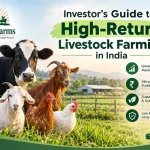
Livestock farming investment is emerging as one of the most reliable and profitable opportunities in India. With increasing demand for dairy and organic farming products, many investors are turning towards livestock farming as a stable source of income.
If you’re new to this concept, this guide will help you understand everything about livestock farming investment—how it works, benefits, risks, and how to get started.
What is Livestock Farming Investment?
Table of Contents
ToggleLivestock farming investment refers to investing money in raising animals such as goats, sheep, and cattle for commercial purposes. These animals are bred and managed for products like milk, wool, and breeding.
Unlike traditional investments like stocks or real estate, livestock farming offers:
- Tangible assets (animals)
- Regular income streams
- Long-term growth potential
Types of Livestock Farming Investments
1. Goat Farming
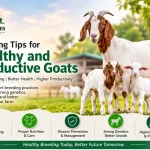
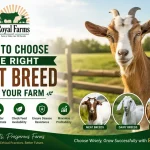
Goat farming is one of the most profitable and low-investment options. Goats require less space and maintenance while offering high reproduction rates.
2. Sheep Farming
Sheep farming is ideal for wool production and is suitable for semi-arid regions with moderate investment needs.
3. Cattle Farming
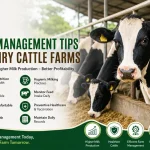
Cattle farming focuses on dairy production. It requires higher investment but provides consistent income through milk.
Why Livestock Farming is a Smart Investment
1. High Demand in the Market
The demand for milk and organic farming products is steadily increasing in India.
2. Multiple Income Sources
You can earn through:
- Milk production
- Breeding
- By-products like manure
3. Long-Term Profitability
Livestock farming ensures steady returns over time compared to volatile markets.
4. Low Risk with Proper Management
With professional farm management, risks can be significantly reduced.
Benefits of Professionally Managed Farms
Investing through professionally managed farms like Royal Farms offers additional advantages:
- Expert animal care and health management
- Transparent operations
- Regular updates and reporting
- Better productivity and ROI
- Reduced operational burden for investors
How Livestock Farming Investment Works
- Choose Investment Plan – Select the type of livestock (goat, sheep, cattle)
- Farm Management – Experts handle feeding, breeding, and healthcare
- Growth Period – Animals grow and reproduce over time
- Returns Generation – Profit through dairy and breeding activities
Investment Cost & Returns
The investment varies depending on the type and scale:
- Goat farming: Low to medium investment
- Sheep farming: Medium investment
- Cattle farming: Medium to high investment
Returns depend on:
- Breed quality
- Farm management
- Market demand
Risks in Livestock Farming
While profitable, livestock farming has some risks:
- Disease outbreaks
- Market price fluctuations
- Poor management practices
These risks can be minimized by choosing experienced and professional farm operators.
Why Choose Royal Farms for Livestock Investment
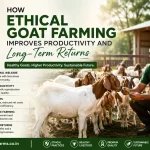
Royal Farms is known for providing ethical and transparent livestock farming solutions. They focus on:
- Professionally managed farms
- High-quality livestock
- Transparent investment models
- Long-term value creation
Their approach ensures investors get reliable and sustainable returns.
Tips for Beginners
- Start with a small investment
- Choose the right livestock type
- Partner with trusted farm operators
- Focus on long-term growth
- Understand market trends
Conclusion
Livestock farming investment is a smart and sustainable way to build wealth while contributing to the agricultural sector. With proper planning and professional management, it can provide consistent returns and long-term financial security.
If you are looking for a reliable and ethical investment opportunity, livestock farming is definitely worth considering.
FAQs
1. Is livestock farming a good investment?
Yes, livestock farming is considered a stable and profitable investment option, especially in India. It offers consistent income through dairy, breeding, and by-products. With proper planning and professional farm management, it can deliver long-term financial growth while reducing risks compared to traditional market-based investments.
2. How much investment is required?
The investment required for livestock farming depends on the type of animals, farm size, and management model. Goat farming generally needs a lower budget, while cattle farming requires higher investment. Beginners can start small and gradually expand, or choose professionally managed farms for better cost efficiency.
3. Can beginners invest in livestock farming?
Yes, beginners can easily invest in livestock farming, especially through professionally managed farm services. These services handle animal care, feeding, and operations, making it easier for new investors. With expert guidance and transparent processes, beginners can earn steady returns without requiring deep technical knowledge.
4. Which livestock is most profitable?
Goat farming is often considered the most profitable option for beginners due to low investment, high reproduction rates, and easy maintenance. However, profitability also depends on market demand, breed quality, and farm management. Sheep and cattle farming can also provide good returns when managed properly.