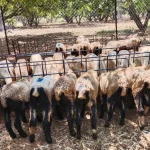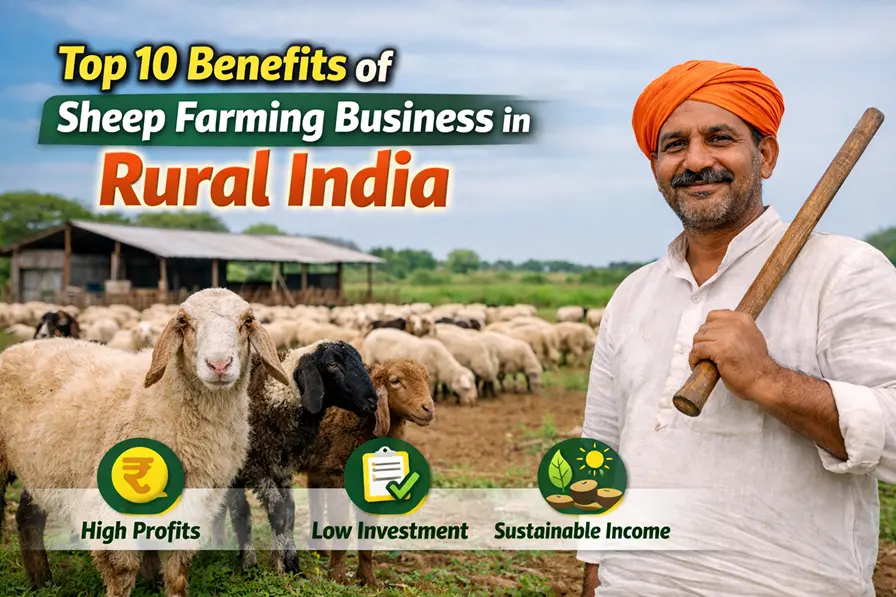
Sheep farming has been practised in India for centuries and continues to be one of the most reliable livestock businesses, especially in rural areas. With low investment, simple management, and consistent demand for sheep meat, wool, and manure, this business offers sustainable income opportunities to farmers, small landholders, and even first-time livestock entrepreneurs. Below are the top 10 benefits of sheep farming business in rural India, explained in a simple and practical way.
Read Also: Beginner Guide to Sheep Farming in Bangalore and Karnataka
1. Low Initial Investment
Table of Contents
ToggleOne of the biggest advantages of sheep farming is that it requires comparatively low capital to start. Unlike dairy farming, there is no need for expensive infrastructure or high-cost animals. Local and improved sheep breeds are affordable and easily available in most rural regions. Basic shelter, grazing land, and simple equipment are sufficient to begin the business.
2. Easy Management and Care
Sheep are easy to manage animals. They adapt well to different climatic conditions and do not require intensive daily care. Even elderly farmers and family members can handle sheep farming without much difficulty. With basic knowledge of feeding, vaccination, and shelter, sheep can be reared successfully.
3. Suitable for Small and Marginal Farmers
Sheep farming is ideal for small and marginal farmers who have limited land and resources. Sheep can thrive on grazing lands, fallow fields, and agricultural by-products. Farmers do not need large farmland, making this business suitable for villages with limited agricultural space.
4. High Demand for Sheep Meat (Mutton)
Mutton has high demand across India, especially during festivals, weddings, and special occasions. Sheep meat sells at premium prices compared to many other livestock products. This consistent demand ensures regular income and better profit margins for farmers involved in sheep farming.
5. Multiple Income Sources
Sheep farming provides multiple streams of income, not just meat. Farmers can earn from:
- Sale of lambs
- Wool production
- Sheep manure (organic fertiliser)
- Breeding stock
This diversification reduces financial risk and ensures steady earnings throughout the year.
6. Fast Growth and Reproduction Rate
Sheep have a short gestation period (around 5 months) and can give birth to one or two lambs at a time. With proper management, farmers can increase flock size quickly. Fast reproduction directly translates into higher returns within a short period, making sheep farming a profitable rural business.
7. Utilisation of Wastelands and Grazing Areas
Sheep can graze on wastelands, grasslands, and uncultivated areas, which are commonly available in rural India. They efficiently convert low-quality forage into valuable products like meat and wool. This makes sheep farming an excellent way to utilise unused land resources.
8. Low Feed Cost
Compared to cattle and buffaloes, sheep have lower feeding costs. They can survive on natural grazing, crop residues, and locally available fodder. Supplementary feeding is required only during specific seasons, keeping operational costs under control and improving profitability.
9. Environment-Friendly and Sustainable Farming
Sheep farming supports sustainable agriculture. Sheep manure is rich in nutrients and improves soil fertility naturally. Their grazing helps control weeds and promotes balanced land use. This eco-friendly aspect makes sheep farming suitable for organic and sustainable farming practices.
10. Government Support and Subsidies
The Indian government promotes sheep farming through various schemes, subsidies, and training programmes, especially for rural and backward areas. Financial assistance, veterinary support, and insurance facilities reduce risk and encourage more farmers to adopt sheep farming as a primary or secondary occupation.
Why Sheep Farming Is Ideal for Rural India
Rural India has favourable conditions for sheep farming, including availability of grazing land, family labour, and traditional knowledge. With rising demand for mutton and wool, sheep farming is becoming a reliable source of livelihood and employment in villages. It not only improves farmers’ income but also contributes to rural economic development.
Also Read: Profitable Sheep and Goat Farming
Conclusion
Sheep farming business in rural India offers a perfect balance of low risk, steady income, and long-term sustainability. With minimal investment, easy management, and multiple income opportunities, it is an excellent option for farmers looking to diversify their agricultural activities or start a new livestock venture.
For farmers and entrepreneurs seeking guidance, quality livestock solutions, and modern farming support, Royal Farms is committed to promoting profitable and sustainable sheep farming practices in India.