Livestock farming has been a reliable source of income for generations, but as we approach 2026, many aspiring farmers and investors are asking an important question: Is livestock farming still profitable? The short answer is yes—but profitability now depends on smart planning, modern practices, and market awareness. In this blog, we explore the factors that will define livestock farming profitability in 2026 and how farmers can maximise returns.
Understanding Livestock Farming in 2026
Table of Contents
ToggleLivestock farming includes rearing animals such as cows, goats, sheep, poultry, and buffaloes for products like milk, meat, eggs, wool, and manure. By 2026, the sector is expected to be more organised, technology-driven, and demand-focused than ever before.
Rising population, increasing protein consumption, and awareness about nutrition are driving strong demand for livestock products. At the same time, farming methods are evolving to become more efficient, sustainable, and scalable.
Key Reasons Why Livestock Farming Will Be Profitable
1. Growing Demand for Animal Protein
With rising incomes and urbanisation, consumption of milk, meat, and eggs continues to grow. Health-conscious consumers are seeking high-quality protein sources, boosting demand for dairy, poultry, goat and sheep farming products.
This steady demand creates consistent income opportunities for livestock farmers, especially those who maintain quality and hygiene standards.
2. Better Technology and Farm Management
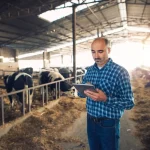
In 2026, livestock farming is no longer limited to traditional methods. Farmers are increasingly using:
- Smart feeding systems
- Health monitoring tools
- Improved breeding techniques
- Data-based decision-making
These technologies help reduce losses, control diseases, improve productivity, and lower operational costs—directly improving profitability.
3. Faster Returns Compared to Crop Farming
Certain livestock businesses, especially poultry and goat farming, offer quicker returns. Poultry farming can generate income within weeks, while goat and sheep farming offer faster breeding cycles and strong market demand.
Livestock also provides multiple income streams, such as:
- Milk or eggs (daily income)
- Meat sales
- Manure for organic farming
- Breeding stock sales
4. Government Support and Subsidies
Livestock farming continues to receive strong government support through:
- Subsidies on sheds and equipment
- Low-interest agricultural loans
- Insurance schemes for animals
- Training and skill development programmes
These initiatives significantly reduce initial investment risks and improve long-term profitability.
Profitability by Livestock Type in 2026
Dairy Farming
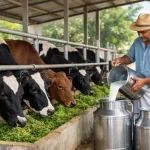
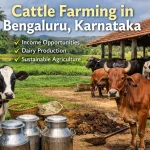
Dairy farming remains one of the most stable livestock businesses. With proper breed selection, balanced nutrition, and hygiene, dairy farmers can earn consistent monthly income. Value-added products like curd, paneer, and ghee further increase profits.
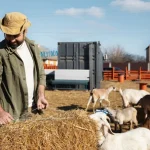
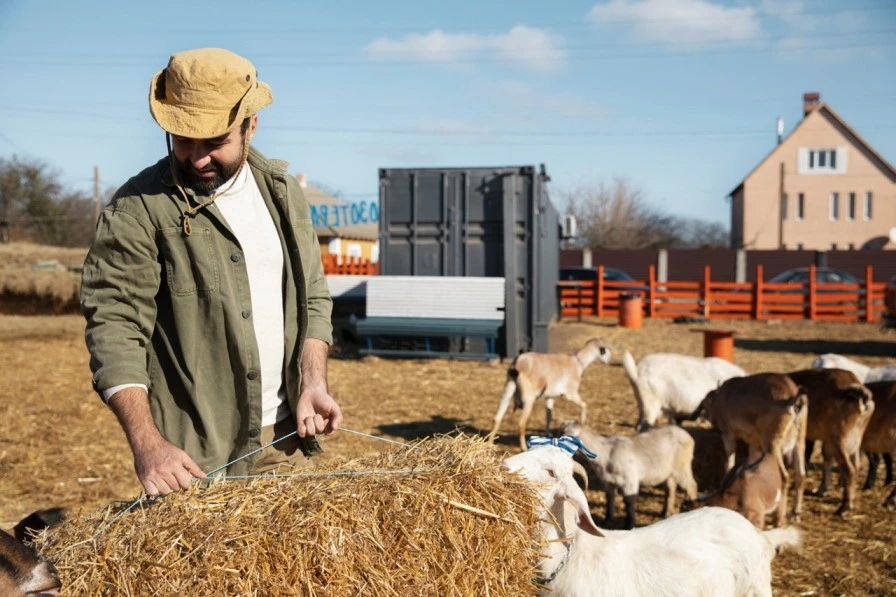
Goat and Sheep Farming
Goat and sheep farming is considered highly profitable due to:
- Low initial investment
- High reproduction rate
- Strong demand for meat
- Easy adaptability to different climates
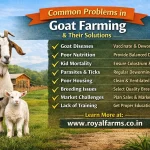
These animals are ideal for small and medium-scale farmers.
Poultry Farming
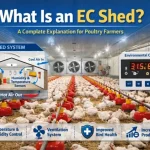
Poultry farming offers quick cash flow and scalability. Broiler and layer farming both remain profitable if feed costs, disease control, and market prices are managed well.
Challenges That Affect Profitability
While livestock farming is profitable, it does come with challenges:
- Rising feed costs
- Disease outbreaks if biosecurity is poor
- Market price fluctuations
- Labour availability
- Climate-related stress on animals
However, farmers who plan well, follow scientific practices, and stay updated can overcome these challenges successfully.
How to Increase Profits in Livestock Farming
To ensure profitability in 2026, farmers should focus on:
- Choosing the right breed suitable for local climate
- Balanced feeding to improve growth and productivity
- Regular health check-ups and vaccinations
- Clean housing and proper waste management
- Direct marketing or contract farming to avoid middlemen
- Value addition, such as processed dairy or packaged meat
Adopting sustainable practices also helps reduce long-term costs and improves farm reputation.
Is Livestock Farming Suitable for New Farmers?
Yes, livestock farming is an excellent option for beginners if started with the right guidance. Starting small, gaining experience, and gradually scaling up is the best approach. Training programmes, expert consultation, and learning from successful farms can make the journey smoother and more profitable.
Future Outlook: 2026 and Beyond
By 2026, livestock farming will be more organised, technology-driven, and market-oriented. Farmers who focus on quality, animal welfare, and efficiency will see higher returns. The integration of digital tools, improved genetics, and sustainable practices will further strengthen profitability.
Conclusion
So, is livestock farming a profitable business in 2026? Absolutely—when done the right way. With rising demand, government support, improved technology, and multiple income opportunities, livestock farming remains a strong and sustainable business model. Success depends on informed decision-making, proper planning, and continuous learning.
For farmers looking to gain deeper insights, practical guidance, and expert-backed knowledge across different livestock sectors, Royal Farms continues to support and educate aspiring and established farmers, helping them build profitable and sustainable livestock businesses for the future.