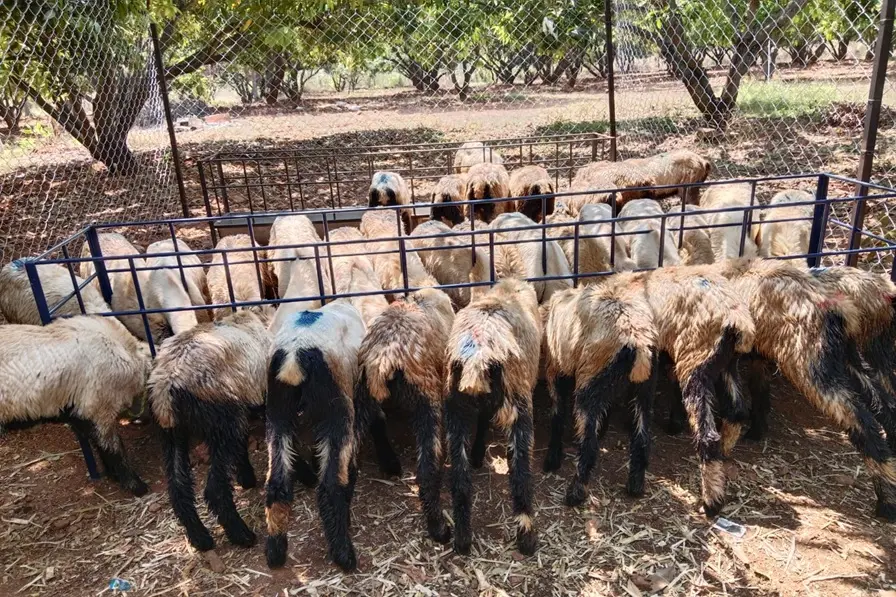
Livestock farming has long been the backbone of rural India, supporting millions of families and contributing significantly to the country’s agricultural economy. With evolving technologies, changing consumer preferences, and a growing focus on sustainability, Indian livestock farming is entering a transformative era. From smart animal health solutions to data-driven farm management, the future points toward modernization, increased productivity, and profitability—especially for entrepreneurs and small farmers willing to adapt.
In this blog, we explore key future trends shaping Indian livestock farming, highlight opportunities for growth, and show how innovation is redefining traditional practices.
1. Adoption of Smart and Digital Technologies
Table of Contents
ToggleOne of the most powerful trends in Indian livestock farming is the move toward digital solutions and smart technologies.
a. IoT and Precision Livestock Monitoring
Internet of Things (IoT) devices—such as wearable sensors and smart tags—enable real-time tracking of animal health, feeding patterns, movement, and environmental conditions. These tools help farmers:
- Detect early signs of disease
- Monitor heat cycles for breeding
- Ensure optimum nutrition and hydration
For example, smart wearables can notify farmers immediately if a goat’s activity drops below normal—potentially signaling illness before symptoms become severe.
b. Farm Management Software
Livestock management platforms help farmers manage records, breeding histories, vaccination schedules, and feeding programs in one place. This digital record-keeping saves time, improves accuracy, and enables better decision-making.
Outcome: Reduced losses, improved animal health, and higher farm efficiency.
2. Rise of Organized Meat and Dairy Value Chains
Traditionally, the Indian meat and dairy sector was fragmented, with small producers selling to local markets. The future, however, is moving toward organized value chains with standardized quality, traceability, and branding.
a. Quality Control and Traceability
Consumers today are more health-conscious and demand safer, traceable products. Organized supply chains ensure:
- Hygienic processing
- Proper cold storage
- Transparent origin tracking
b. Contract Farming and Cooperatives
Livestock farmers increasingly benefit from contracts with processors or cooperatives that guarantee fair prices and stable demand.
This trend not only stabilizes farmer income but also promotes investment in better animal care and infrastructure.
3. Focus on Sustainable and Eco-Friendly Farming
Global agriculture is shifting toward sustainability, and Indian livestock farming is no exception. Eco-friendly practices are gaining momentum due to:
- Climate change concerns
- Consumer demand for ethically produced meat and milk
- Government incentives for green farming initiatives
a. Waste to Resource Systems
Livestock waste can be converted into valuable by-products like biogas, organic fertilizer, and compost. This reduces environmental impact and creates additional revenue streams for farmers.
b. Pasture-Based and Free-Range Farming
Many consumers now prefer meat from animals raised on open pastures. Pasture-based systems improve animal welfare and reduce dependence on expensive feeds.
Outcome: Lower carbon footprint, healthier animals, and premium product pricing.
4. Scientific Nutrition and Feed Innovation
Feeding costs make up a large part of livestock farming expenses. The future of feeding lies in science-based nutrition and innovative feed solutions.
a. Precision Feeding
Modern farms use data to feed animals based on age, breed, production phase, and health status. This reduces waste and maximizes growth and milk yield.
b. Alternative Protein Sources
Researchers and startups are developing feed alternatives like:
- High-quality silage from crop residues
- Protein-rich fodder from legumes
- Enriched feed blocks
These lower dependency on traditional grains and ensure consistent nutrition year-round.
5. Preventive Healthcare and Animal Wellness Programs
Animal health is central to profitable livestock farming. One of the biggest future trends is preventive healthcare rather than reactive treatment.
a. Routine Screening and Vaccination
Regular health check-ups and well-planned vaccination programs reduce disease outbreaks and mortality.
b. Tele-Veterinary Services
Telemedicine for livestock is revolutionizing animal care, especially in remote regions where access to vets is limited. Farmers can consult professionals via video calls and get timely guidance.
c. Genetic Disease Prevention
Through selective breeding and genetic screening, farmers can reduce hereditary diseases and promote stronger, more productive livestock.
6. Integrated Farming Systems
Integrated farming combines livestock with crop production for mutual benefits. This synergy enhances resource efficiency and reduces operational costs.
a. Livestock + Crop Rotation
Animal waste enriches soil, boosting crop yields without chemical fertilizers.
b. Fodder Crop Cultivation
Growing your own fodder reduces dependency on external feed sources and ensures fresh nutrition for animals.
This integrated approach creates a closed-loop, sustainable farm ecosystem that improves profitability.
7. Growing Demand for Premium and Niche Products
Indian consumers are increasingly willing to pay premium prices for high-quality and ethically produced livestock products. This includes:
a. Organic Meat and Milk
Consumers are choosing products free from antibiotics, hormones, and chemical residues—creating a niche market for organic livestock farming.
b. Value-Added Products
Farmers can create additional income streams by producing:
- Ghee and flavored milk
- Cheese and yogurt
- Organic manure and bio-fertilizers
- Specialty meats for festivals and events
Outcome: Higher profits and diversified income.
8. Use of Data Analytics and AI
Data analytics and artificial intelligence (AI) are not limited to large corporate farms. Affordable data tools are now empowering small farmers as well.
a. Predictive Insights
AI can predict:
- Optimal breeding times
- Disease risks
- Profit forecasting
- Feed efficiency outcomes
This previously expensive technology is becoming accessible through mobile apps and cloud platforms.
9. Quality Certification and Standardization
As India participates more in international trade, livestock products increasingly require quality certifications such as:
- FSSAI standards
- ISO compliance
- Animal welfare certifications
Farms adopting certification standards can access export markets and premium buyers.
10. Youth & Entrepreneurial Interest in Livestock Farming
Traditionally seen as a rural occupation, livestock farming is now attracting young entrepreneurs and professionals.
Why?
- Tech integration makes it scalable
- Strong profit potential
- Government subsidies and funding
- Awareness about sustainable agriculture
With increased interest from youth, innovation and professionalism are entering the livestock sector.
What This Means for Indian Farmers
The future of livestock farming in India is not just about raising animals—it’s about building smart, sustainable, and profitable agricultural enterprises. The convergence of technology, sustainability, consumer demand, and business thinking is transforming livestock farming into a modern agribusiness.
Key Takeaways:
✔ Technology boosts efficiency and health management
✔ Value addition increases profitability
✔ Sustainability is no longer optional
✔ Market demand is shifting toward quality and traceability
✔ Integration and innovation unlock new revenue avenues
Conclusion
Indian livestock farming is poised for rapid transformation. Professionals, small farmers, and agricultural entrepreneurs now have access to tools and practices that deliver better outcomes than ever before. The future belongs to farmers who embrace modern techniques while respecting traditional wisdom.
If you’re looking to start or scale a profitable and future-ready livestock farm—with expert guidance, sustainable practices, and optimized productivity—Royal Farms can support your journey with advanced solutions, training, and hands-on assistance in sheep and goat farming.
Visit Royal Farms to learn more and begin your modern livestock farming success story.
FAQs
1. What are the future trends in Indian livestock farming?
Future trends include smart farming technologies, IoT-based animal monitoring, scientific feeding systems, preventive healthcare, sustainable practices, organized value chains, and increasing demand for organic and premium livestock products.
2. How is technology changing livestock farming in India?
Technology is improving livestock farming through digital record keeping, wearable health sensors, tele-veterinary services, farm management apps, and data-driven breeding and feeding practices, helping farmers increase productivity and reduce losses.
3. Why is sustainable livestock farming important in India?
Sustainable livestock farming reduces environmental impact, improves animal welfare, promotes waste recycling like biogas production, and meets growing consumer demand for ethically produced meat and dairy products.
4. Is livestock farming profitable in the future?
Yes, livestock farming has strong future potential due to rising meat and dairy demand, value-added product opportunities, organized market systems, and government support for modern farming practices.
5. How can farmers prepare for future livestock trends?
Farmers can prepare by adopting modern technologies, maintaining proper animal health programs, improving feeding strategies, focusing on quality standards, and seeking expert guidance to build scalable and sustainable livestock farms.