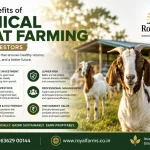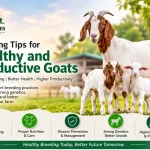
Goat farming has become an important part of the livestock sector in India. For farmers, entrepreneurs, and people interested in agricultural opportunities, goat farming can offer a structured way to participate in livestock production. However, successful goat farming requires more than simply purchasing goats. Proper breed selection, nutrition, healthcare, housing, breeding, farm management, and market planning all play an important role.
For people exploring livestock investment, understanding how a professionally managed goat farm operates can help them make informed decisions. This guide explains the key factors involved in goat farming and why proper farm management is important for a long-term livestock business.
What Makes Goat Farming an Important Livestock Activity?
Table of Contents
ToggleGoats are adaptable animals and can be raised under different farming conditions when their basic requirements are properly managed. Their relatively manageable size also makes them suitable for different types of livestock operations.
Goat farming can involve several important activities, including breeding, feeding, healthcare, housing, kid management, record keeping, and herd development. Each area needs regular attention to maintain animal health and support productive farm operations.
For an investor or farmer, this means that the quality of farm management can be just as important as the number of animals on the farm.
How Does Smart Goat Farming Investment Work?
Smart livestock investment starts with understanding the farming model rather than focusing only on the number of goats. A well-planned goat farming operation generally considers:
- Selection of suitable goat breeds
- Healthy and productive breeding animals
- Proper farm infrastructure
- Balanced nutrition
- Veterinary care and preventive health management
- Clean and comfortable housing
- Breeding and reproduction planning
- Accurate livestock records
- Regular monitoring of animal growth
- Market and operational planning
When these factors are managed systematically, the farm can operate in a more organized manner.
Investors should also understand that livestock farming involves risks. Animal health, feed costs, weather conditions, breeding performance, management quality, and market conditions can all affect farm performance. Therefore, livestock investment should always be evaluated carefully rather than being viewed as a guaranteed source of income.
Why Is Goat Breed Selection Important?
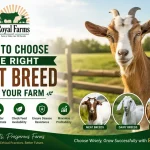
Breed selection is one of the first decisions in goat farming. Different breeds can have different characteristics related to growth, reproduction, adaptability, and production.
The right breed should be selected according to the farm’s location, climate, management system, available feed, and business objectives. Instead of selecting a breed simply because it is popular, farmers should consider whether the breed is suitable for the specific farming environment.
Healthy animals with appropriate genetic characteristics can provide a stronger foundation for a well-managed breeding program.
How Does Nutrition Affect Goat Growth?
Nutrition is essential for healthy goat development. Goats require a balanced diet containing appropriate energy, protein, minerals, vitamins, and sufficient water.
Feeding requirements can change according to the animal’s age, body condition, reproductive stage, and growth requirements. Pregnant and lactating goats, young kids, breeding animals, and growing goats may require different nutritional management.
Good nutrition can support healthy growth and reproductive performance, while poor feeding practices can negatively affect animal health and farm productivity.
Farmers should therefore develop feeding programs according to the needs of their herd and seek professional veterinary or livestock nutrition guidance when necessary.
Why Is Goat Farm Hygiene Important?
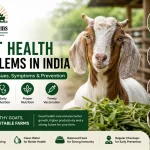
Clean farm conditions are an important part of livestock management. Poor hygiene can increase health risks and create an unfavorable environment for animals.
A proper hygiene routine can include:
- Regular cleaning of animal housing
- Removal of waste and contaminated bedding
- Maintaining clean drinking water
- Keeping feeding areas clean
- Proper disposal of farm waste
- Regular inspection of animals
- Maintaining suitable ventilation
- Separating sick animals when advised by a veterinarian
Biosecurity practices can also help reduce the risk of diseases entering or spreading within a farm. New animals should be managed carefully before being introduced to an existing herd, following appropriate veterinary guidance.
What Role Does Breeding Play in Goat Farming?
Breeding management is another important component of a goat farm. A structured breeding program can help farmers monitor reproductive performance and maintain healthy herd development.
Farm records can help track breeding dates, kidding history, offspring information, health observations, and other important details. These records make it easier to understand herd performance and identify areas that may require improvement.
Responsible breeding should always prioritize animal health and welfare rather than focusing only on increasing herd numbers.
Why Is Professional Farm Management Important?
Managing a goat farm involves daily responsibilities that can easily be overlooked without a proper system. Feeding, health checks, cleaning, breeding management, record keeping, and animal monitoring all require consistency.
Professional farm management can help create standardized processes for these activities. It can also make it easier to identify problems at an early stage and maintain better records.
For people considering managed livestock investment, understanding who manages the animals, how the farm operates, what facilities are available, and how animal health is monitored is important before making any financial decision.
What Should You Consider Before Investing in Goat Farming?
Before entering livestock investment, prospective investors should carefully evaluate the farming model and understand the associated risks.
Some important questions to ask include:
Who manages the farm?
Understand the experience, responsibilities, and operational structure of the farm management team.
How are the goats selected?
Ask about breed selection, animal health, breeding practices, and herd management.
How are animals cared for?
Understand the feeding, housing, hygiene, vaccination, and veterinary care procedures.
How are farm records maintained?
Proper records can help monitor breeding, growth, health, and herd development.
What are the associated costs and risks?
Livestock operations can involve expenses related to feed, veterinary care, infrastructure, labor, and other farm activities.
What is the expected investment period?
Investors should understand the timeline and business model instead of assuming immediate results.
These questions can help investors evaluate a livestock opportunity more objectively.
How Can Technology Support Modern Goat Farming?
Technology is increasingly useful in livestock management. Digital records, animal identification, farm monitoring systems, and data-based management can help farmers maintain better information about their herds.
Technology can support activities such as tracking animal health, monitoring breeding records, managing feeding schedules, and maintaining farm documentation.
However, technology works best when combined with experienced farm management and appropriate veterinary practices.
Final Thoughts
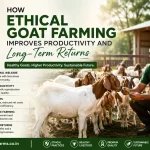
Goat farming can be an important part of a well-planned livestock business. However, successful operations depend on much more than purchasing animals. Breed selection, nutrition, healthcare, hygiene, breeding management, infrastructure, record keeping, and professional supervision all contribute to effective farm operations.
For anyone considering goat farming as a livestock investment, the most important step is to understand the complete farming model and evaluate the associated opportunities, responsibilities, costs, and risks carefully. A professionally managed approach can provide a more structured way to participate in livestock farming while keeping animal care and farm operations at the center.
If you want to learn more about managed goat farming and livestock investment opportunities, Royal Farms provides information and services related to professionally managed livestock farming. Visit https://royalfarms.co.in to learn more about the farm model, goat farming, and livestock investment. You can also contact Royal Farms to discuss your requirements and get more information before making an investment decision.