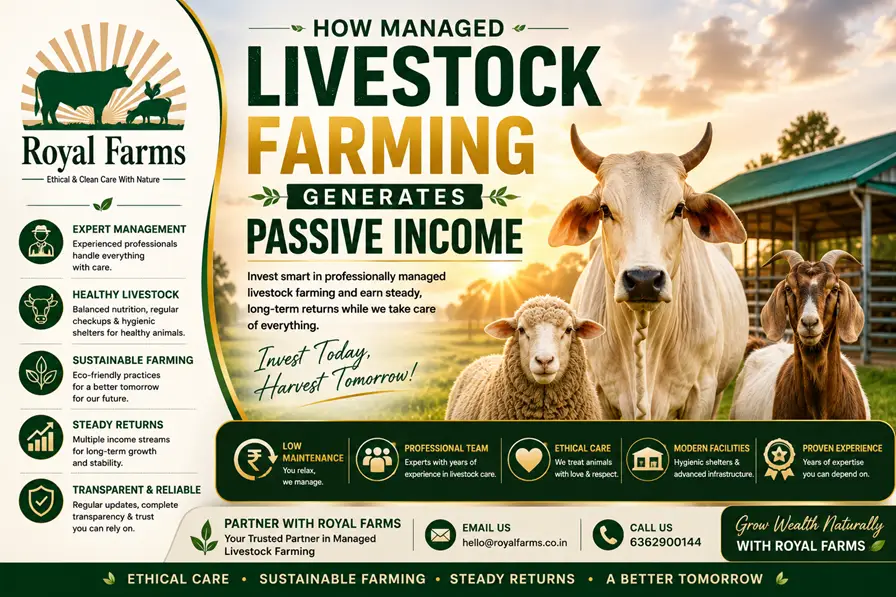
In today’s fast-changing investment landscape, more people are looking for opportunities that provide steady returns while requiring minimal day-to-day involvement. While traditional investments like real estate, fixed deposits, and mutual funds remain popular, managed livestock farming has emerged as an alternative option for individuals who want to diversify their income sources. With India’s agricultural sector continuing to grow and the demand for dairy products, meat, and breeding livestock increasing every year, professionally managed livestock farming offers a practical way to participate in this thriving industry.
Unlike conventional farming, where owners must oversee daily operations, managed livestock farming allows investors to benefit from professional farm management. Every aspect of livestock care—from feeding and healthcare to breeding and maintenance—is handled by experienced professionals. This enables investors to earn from the agricultural sector without requiring farming expertise or spending time managing the farm.
At Royal Farms, managed livestock farming is built on professional care, sustainable farming practices, and transparent operations, making it easier for individuals to participate in livestock farming while focusing on their own careers or businesses.
Understanding Managed Livestock Farming
Table of Contents
ToggleManaged livestock farming is a farming model where livestock such as cows, goats, sheep, or other farm animals are raised and maintained by experienced farm professionals on behalf of investors. Instead of purchasing land, hiring workers, or learning complex farming techniques, investors become part of a professionally managed farming system.
The farm management team handles every operational activity, including:
- Animal nutrition
- Regular veterinary care
- Vaccination schedules
- Clean and hygienic housing
- Breeding management
- Health monitoring
- Farm maintenance
- Record keeping
This structured approach ensures that livestock receive proper care while investors enjoy the convenience of a professionally managed agricultural investment.
Why Livestock Farming Is Becoming a Popular Investment
India is one of the world’s largest livestock-producing countries. Growing urban populations, rising income levels, and increasing demand for quality dairy products and livestock continue to create long-term opportunities in the sector.
Several factors contribute to the growing popularity of livestock farming:
Increasing Demand for Dairy Products
Milk and dairy products remain essential components of Indian households. Continuous demand supports the long-term growth of professionally managed dairy farms.
Growing Meat Industry
Goat and sheep farming continue to expand due to increasing domestic consumption and commercial demand across various regions of India.
Sustainable Agricultural Growth
Livestock farming contributes significantly to rural development, employment generation, and sustainable agricultural practices.
Diversification of Investments
Many investors now look beyond traditional financial products. Livestock farming provides an opportunity to diversify investments into a real, productive sector of the economy.
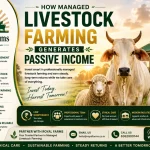
How Managed Livestock Farming Creates Passive Income
The primary advantage of managed livestock farming is that investors can generate income without being directly involved in everyday farm operations.
Professional Farm Operations
Experienced livestock professionals ensure that animals receive proper nutrition, healthcare, and daily attention. This professional management helps maintain healthy livestock and efficient farm operations.
Better Animal Health
Healthy animals perform better over time. Regular veterinary check-ups, timely vaccinations, quality feed, and proper hygiene contribute to healthier livestock and improved productivity.
Multiple Income Opportunities
Managed livestock farms often benefit from different revenue streams, including:
- Dairy production
- Livestock breeding
- Sale of healthy livestock
- Sheep farming
- Goat farming
- Value-added agricultural activities
Diversified revenue sources help strengthen the overall farming business.
Reduced Operational Stress
Traditional farming requires constant supervision, labour management, veterinary coordination, and feed procurement. Managed farming removes these daily responsibilities, allowing investors to focus on their personal or professional commitments.
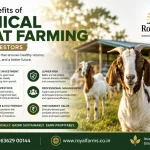
Key Benefits of Managed Livestock Farming
Professional Expertise
Livestock farming requires technical knowledge and practical experience. Professional farm managers understand breeding cycles, animal nutrition, disease prevention, and farm operations, reducing many of the risks associated with inexperienced farming.
Time-Saving Investment
One of the biggest advantages of managed livestock farming is convenience. Investors do not need to visit the farm every day or participate in routine management activities. Experienced professionals take care of the operational responsibilities.
Sustainable Farming Practices
Modern livestock farms emphasize responsible farming methods, including clean housing, proper waste management, balanced nutrition, and ethical treatment of animals. These practices contribute to healthier livestock and long-term farm sustainability.
Transparency and Regular Updates
A professionally managed farm maintains proper records of livestock health, farm activities, and operational progress. Regular updates help investors stay informed while maintaining confidence in the farming process.
Long-Term Growth Potential
As India’s agricultural sector continues to expand, professionally managed livestock farming offers long-term opportunities for individuals seeking additional income through a productive and sustainable industry.
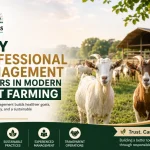
Why Professional Management Makes the Difference
One of the biggest reasons investors choose managed livestock farming is the confidence that comes with expert supervision. Raising livestock successfully requires knowledge, experience, and consistent attention. Animals need balanced nutrition, timely vaccinations, clean housing, and regular health check-ups to remain productive.
Professional farm managers understand the complete lifecycle of livestock and follow scientifically planned management practices. They monitor animal health, maintain proper feeding schedules, ensure hygienic farm conditions, and quickly address any health concerns. This level of expertise helps improve overall farm productivity while reducing many of the challenges associated with traditional farming.
Instead of worrying about daily farm operations, investors can rely on trained professionals who work to maintain healthy livestock and efficient farm management throughout the year.
Who Should Consider Managed Livestock Farming?
Managed livestock farming is suitable for a wide range of individuals looking to diversify their income or participate in India’s growing agricultural sector.
It is an excellent option for:
- Working professionals with limited time
- Business owners seeking portfolio diversification
- NRIs interested in Indian agricultural investments
- First-time investors exploring alternative assets
- Retired individuals looking for additional income opportunities
- Families interested in long-term wealth creation through agriculture
Since experienced professionals manage the farm, investors do not need prior farming knowledge or technical expertise.
How Royal Farms Supports Sustainable Livestock Farming
Sustainability has become an essential part of modern agriculture. At Royal Farms, responsible farming practices are integrated into everyday operations to support healthy livestock and environmentally conscious farming.
The farm focuses on maintaining clean and hygienic animal shelters, providing nutritionally balanced feed, ensuring regular veterinary care, and following ethical livestock management practices. These efforts not only improve animal welfare but also contribute to better productivity and long-term farm sustainability.
By combining traditional farming values with modern management techniques, Royal Farms creates a farming environment that benefits both livestock and investors.
Important Factors to Consider Before Investing
Like any investment, managed livestock farming should be approached after careful evaluation. Understanding how a farm operates helps investors make informed decisions and build long-term confidence.
Before investing, consider the following:
Farm Management Experience
Choose a company with experienced professionals who understand livestock care, nutrition, breeding, and farm operations.
Animal Welfare Standards
Healthy animals are the foundation of successful livestock farming. Ensure the farm follows ethical practices and prioritizes proper animal care.
Transparency
Look for farms that provide regular updates about livestock health, farm activities, and operational progress.
Professional Veterinary Support
Regular medical care, disease prevention, and vaccination schedules are essential for maintaining healthy livestock.
Sustainable Farming Practices
Responsible waste management, proper hygiene, and balanced nutrition contribute to long-term productivity and environmental sustainability.
The Future of Managed Livestock Farming in India
India’s livestock sector continues to play an important role in the country’s agricultural economy. Rising food demand, increasing dairy consumption, improved farming technologies, and greater awareness of sustainable agriculture are creating new opportunities for professionally managed livestock farming.
As more investors look for alternatives to traditional investment options, managed farming is expected to attract increasing attention. Professional management, improved transparency, and modern farming practices make this model more accessible than ever before.
Technology is also transforming livestock farming. Digital record-keeping, health monitoring systems, improved breeding techniques, and better nutrition management are helping farms become more efficient while improving animal welfare.
These developments position managed livestock farming as a promising long-term opportunity for individuals seeking diversification and sustainable investment options.
Why Choose Royal Farms?
Royal Farms is committed to delivering professionally managed livestock farming services with a strong focus on quality, transparency, and sustainability.
The farm offers:
- Professionally managed livestock operations
- Ethical and responsible animal care
- Modern farming practices
- Experienced farm management
- Clean and hygienic livestock facilities
- Regular veterinary supervision
- Transparent operational processes
- Sustainable agricultural practices
Every aspect of the farming process is carefully managed to ensure healthy livestock and efficient farm operations while allowing investors to participate without handling day-to-day responsibilities.
Conclusion
Managed livestock farming is becoming one of the most practical ways to participate in India’s growing agricultural sector while creating an opportunity for long-term passive income. Unlike traditional farming, this model allows investors to benefit from professional farm management without needing agricultural experience or daily involvement.
With expert livestock care, sustainable farming practices, and transparent operations, managed livestock farming combines the strength of agriculture with the convenience of professional management. As demand for dairy products, livestock, and sustainable farming continues to grow across India, professionally managed farms are well-positioned to create long-term value.
Royal Farms is dedicated to providing responsible livestock management, modern farming practices, and ethical animal care. Whether you are looking to diversify your investments or explore opportunities in agriculture, managed livestock farming offers a smart and sustainable path toward long-term financial growth.
Frequently Asked Questions
1. What is managed livestock farming?
Managed livestock farming is a professionally operated farming model where experts handle livestock care, feeding, breeding, healthcare, and farm management on behalf of investors.
2. Can beginners invest in managed livestock farming?
Yes. Since professionals manage the entire farming operation, no prior farming experience is required.
3. Why is livestock farming considered a long-term investment?
The livestock sector benefits from continuous demand for dairy products, meat, and breeding animals, making it a stable agricultural industry with long-term growth potential.
4. What animals are commonly included in managed livestock farming?
Managed farms typically include dairy cattle, goats, sheep, poultry, and other livestock depending on the farming model.