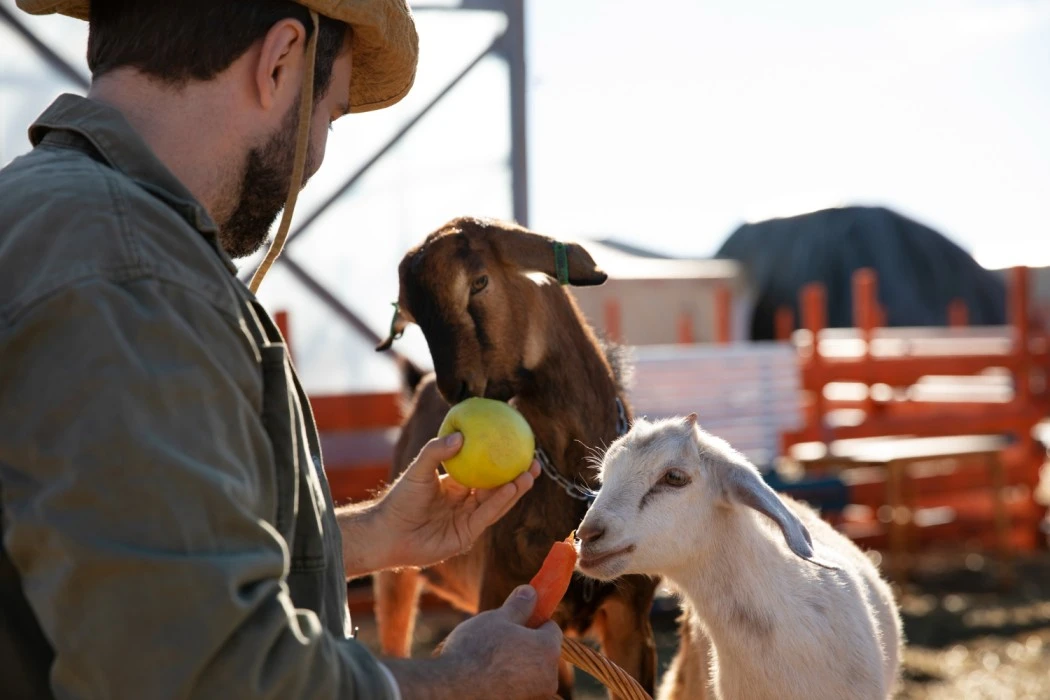
Healthy livestock is the backbone of a successful farm. Animals that receive proper seasonal care grow better, reproduce efficiently, and remain resistant to diseases. Since weather conditions change throughout the year, livestock care must also adapt to seasonal challenges. From extreme summer heat to cold winters and unpredictable monsoons, each season demands specific management practices. Below is a detailed, practical guide to help farmers maintain livestock health all year round.
Spring: Focus on Recovery and Growth
Table of Contents
ToggleSpring is a transition period when animals recover from winter stress and prepare for active growth.
Key Care Tips:
- Nutrition Boost: Introduce fresh green fodder gradually to avoid digestive issues. Balance it with dry fodder and mineral supplements.
- Deworming & Vaccination: Spring is ideal for deworming as parasites become active. Follow a proper vaccination schedule to prevent seasonal diseases.
- Breeding Management: This is a favourable season for breeding due to moderate temperatures and good feed availability.
- Housing Hygiene: Clean sheds thoroughly to remove moisture, mould, and parasites accumulated during winter.
Proper spring management sets a strong foundation for the rest of the year.
Summer: Protect Livestock from Heat Stress
Summer heat can significantly reduce feed intake, milk production, and overall animal performance.
Key Care Tips:
- Heat Stress Management: Provide shaded areas, proper ventilation, and cooling systems like fans, foggers, or sprinklers.
- Clean Drinking Water: Ensure continuous access to cool, clean water. Dehydration is a major risk in summer.
- Feeding Adjustments: Offer feed during cooler hours (early morning and late evening). Add electrolytes and mineral mixtures to maintain body balance.
- Pest Control: Flies, ticks, and mosquitoes increase during summer. Use safe pest control measures to prevent infections.
Effective summer care helps maintain productivity and prevents heat-related illnesses.
Monsoon: Prevent Diseases and Infections
The rainy season brings humidity, muddy conditions, and a high risk of infections.
Key Care Tips:
- Dry and Clean Housing: Prevent waterlogging in sheds. Use proper drainage systems and dry bedding materials.
- Disease Prevention: Monsoon encourages bacterial and fungal diseases. Follow strict vaccination and biosecurity measures.
- Foot Care: Wet floors can cause foot rot and lameness. Regularly inspect hooves and apply disinfectants if needed.
- Feed Safety: Protect stored feed from moisture and fungal contamination. Spoiled feed can cause serious health issues.
Monsoon management is crucial to reduce losses caused by disease outbreaks.
Autumn: Strengthen Immunity and Prepare for Winter
Autumn is a recovery phase after monsoon and a preparation period for colder months.
Key Care Tips:
- Balanced Nutrition: Provide energy-rich feed to help animals regain strength lost during monsoon.
- Health Check-ups: Conduct routine health examinations to detect any lingering infections.
- Parasite Control: Internal and external parasites may still be active; timely treatment is essential.
- Housing Repairs: Repair sheds, roofs, and ventilation systems to prepare for winter.
Autumn care helps livestock regain body condition and build immunity.
Winter: Ensure Warmth and Energy Efficiency
Cold stress can negatively affect animal health, especially young and elderly livestock.
Key Care Tips:
- Warm Housing: Use curtains, bedding, and insulation to protect animals from cold winds.
- High-Energy Diet: Increase energy intake through grains, oil cakes, and quality roughage.
- Water Management: Ensure water does not become too cold, as animals may reduce intake.
- Special Care for Young Stock: Calves and young animals are more vulnerable to cold-related diseases and need extra warmth.
Proper winter management maintains productivity and reduces stress-related health issues.
Year-Round Best Practices for Livestock Health
Regardless of the season, some practices should always be followed:
- Maintain clean and well-ventilated housing
- Follow a consistent vaccination and deworming schedule
- Monitor animal behaviour and appetite daily
- Ensure balanced nutrition with minerals and vitamins
- Practice good biosecurity to prevent disease spread
Consistent monitoring and timely action can prevent most health problems before they become serious.
Conclusion
Seasonal care is not just about reacting to weather changes—it is about proactive planning. By adjusting feeding, housing, health management, and hygiene practices according to each season, farmers can ensure healthier animals, better productivity, and reduced veterinary costs. A well-managed farm thrives throughout the year, regardless of climate challenges. At Royal Farms, we believe that adopting scientific and seasonal livestock care practices is the key to sustainable and profitable farming.