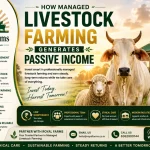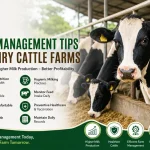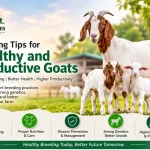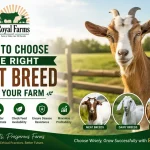
Livestock farming has always been a cornerstone of agriculture and rural livelihoods. But as the world changes rapidly—with technological innovation, shifting consumer preferences, and rising environmental concerns—so too does the way we raise and manage livestock. For farmers and stakeholders in the livestock sector, understanding these emerging trends isn’t just interesting—it’s essential for long-term success. In this blog, we explore the future of livestock farming and the key developments that every farmer should know.
1. Precision Livestock Farming (PLF): The Tech Revolution on the Farm
Table of Contents
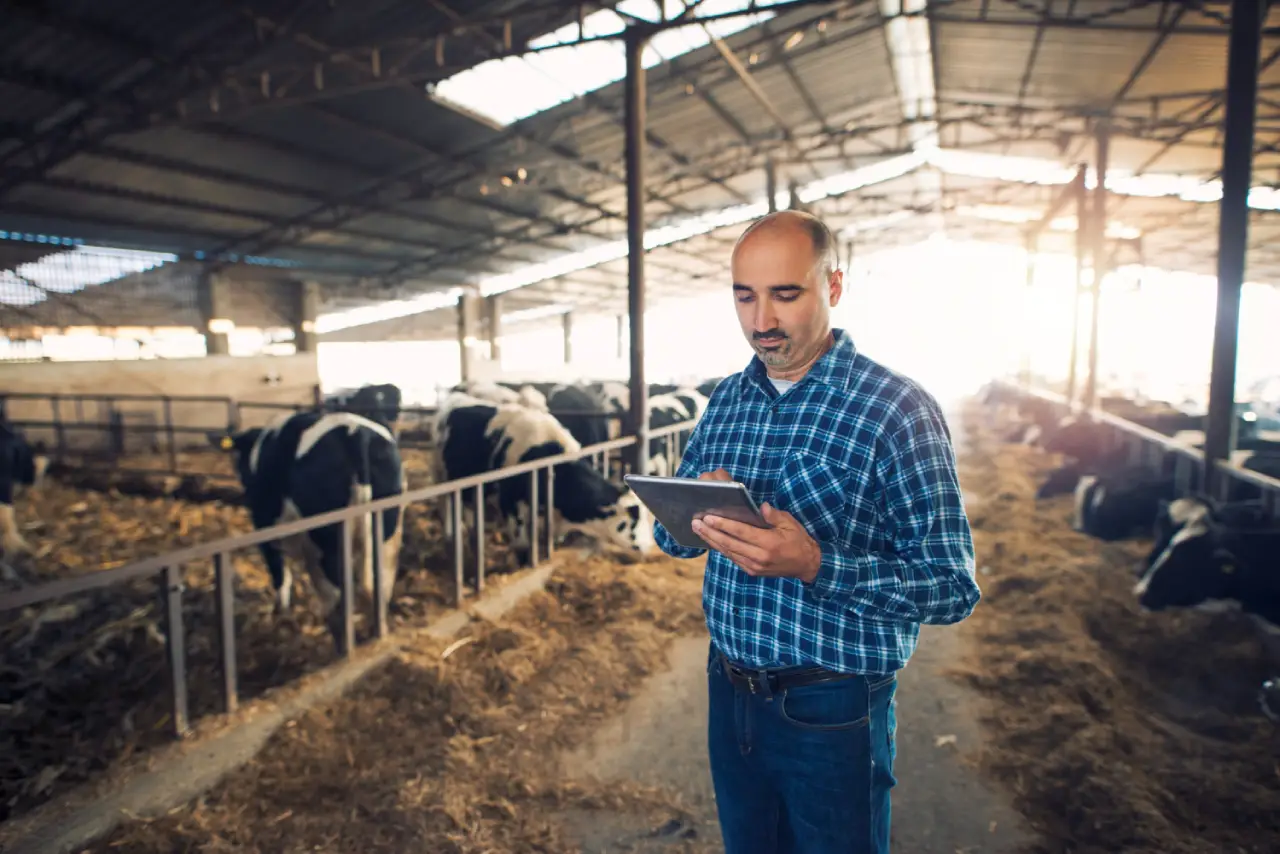
TogglePrecision Livestock Farming (PLF) refers to the use of advanced technologies to monitor and manage livestock more efficiently. With sensors, wearable devices, and data analytics, farmers can now track animal health, feeding behaviour, movement, and even stress levels in real time.
Key Benefits:
- Early disease detection through sensors and alerts
- Optimised feeding and nutrition
- Reduced mortality and improved welfare
- Better productivity and profitability
For example, smart collars or ear tags with GPS and biometric monitoring help farmers detect anomalies that could indicate illness or discomfort, allowing for timely interventions and reduced losses.
2. Sustainable and Climate-Smart Practices
Climate change and environmental sustainability are no longer optional considerations—they are shaping how livestock farming evolves. Sustainable practices help reduce greenhouse gas (GHG) emissions and improve resource efficiency.
Major Sustainable Focus Areas:
- Methane reduction through feed innovation
- Manure management systems like biogas converters
- Water recycling and efficient use
- Agroforestry and silvopasture systems
Livestock farmers are increasingly adopting practices such as rotational grazing, which improves soil health and reduces erosion, while methane-reducing feed additives are being explored to cut emissions from ruminants like cows and goats.
3. Genetic Improvement and Breeding Innovation
Selective breeding and genetic technologies are transforming livestock quality and performance. From disease resistance to better meat and milk production, modern breeding practices aim to create animals that perform well in diverse environments.
Key Approaches:
- Genomic selection for desirable traits
- Crossbreeding for hybrid vigour
- CRISPR and gene editing (in regulated applications)
Farmers who adopt improved genetics can expect healthier herds, reduced reliance on medications, and more consistent production outputs.
4. Animal Welfare and Ethical Farming
Consumers today are more aware and concerned about the welfare of farm animals. Ethical farming practices are not only better for animals but can also unlock premium markets and enhance brand reputation.
Best Practices Include:
- Stress-free handling systems
- Comfortable housing and free-range systems
- Access to clean water and quality feed
- Reduced crowding and humane treatment
Retailers and food brands increasingly require livestock products that meet welfare standards, making this trend both ethical and economically beneficial.
5. Digital Marketplaces and Direct Farmer Access
With the rise of e-commerce and digital platforms, farmers now have direct access to markets without traditional intermediaries. Digital marketplaces allow farmers to:
- Sell livestock and products (milk, eggs, meat) directly to consumers
- Access competitive pricing
- Connect with buyers nationally and internationally
This trend empowers farmers, improves profit margins, and enhances transparency in pricing and delivery.
6. Automation and Robotics
Automation is no longer limited to crop farming—it’s making significant inroads into livestock operations. From robotic milking machines to automated feeding systems and cleaning robots, these innovations are helping reduce labour costs and improve efficiency.
Examples:
- Robotic milkers for dairy farms
- Automated feeders that distribute precise rations
- Cleaning robots for barns and pens
These technologies not only save time but also create safer and healthier environments for both animals and workers.
7. Enhanced Feed and Nutrition Science
Proper nutrition is the backbone of healthy livestock and high productivity. Advances in animal nutrition science are leading to feed formulations that improve digestion, immunity, and growth rates.
Trends in Feed Innovation:
- Probiotics and prebiotics for gut health
- Precision nutrition tailored to individual needs
- Alternative proteins from insects or algae
- Reduced-antibiotic feeding strategies
Improved feeds contribute to better yields, reduce waste, and support sustainable production.
8. Blockchain for Traceability and Food Safety
Consumers today demand transparency about where their food comes from and how it was produced. Blockchain technology offers unparalleled traceability, allowing every step in the livestock supply chain to be recorded securely and transparently.
Benefits of Blockchain:
- Authentic farm-to-plate traceability
- Enhanced food safety compliance
- Proof of ethical and sustainable practices
- Stronger consumer trust and brand value
With traceability, farmers can differentiate their products in competitive markets.
9. Disease Surveillance and Biosecurity
Animal disease outbreaks can devastate herds and livelihoods. The future of livestock farming emphasises robust disease surveillance systems and strict biosecurity measures to prevent and contain outbreaks.
Key Approaches:
- Regular health monitoring
- Vaccination strategies
- Controlled movement of animals
- Quarantine protocols
Integrating health data with analytics can help predict disease risks and safeguard animal populations.
10. Youth Engagement and Skill Development
Attracting youth to livestock farming is crucial for the sector’s future. Education, training, and exposure to modern farming methods are encouraging younger generations to enter livestock enterprises.
Youth bring fresh ideas, tech-savviness, and energy—key ingredients for a dynamic and resilient livestock future.
Conclusion
The future of livestock farming is dynamic, tech-driven, and steadily moving towards more sustainable, efficient, and ethical practices. Farmers who embrace innovation—whether through precision farming tools, improved genetics, digital marketplaces, or enhanced welfare standards—stand to benefit significantly in the evolving agricultural landscape.
For anyone interested in expanding their knowledge and success in livestock farming, we also recommend exploring other insightful reads such as read more:
Complete Guide to Profitable Goat Farming in Hyderabad
Goat and Sheep Farming in Navi Mumbai
Beginner Guide to Sheep Farming in Bangalore and Karnataka
Top Myths About Poultry Farming — Expert Insights & Facts
These resources can provide practical guidance and localized insights for aspiring and established farmers alike.
In this journey of transformation, Royal Farms continues to support livestock farmers with information, resources, and community-focused guidance to help build a more productive and sustainable future.